
can you get a tattoo on blood thinners? Expert Guide
Getting a tattoo is an exciting decision, but if you’re taking blood thinners, you may wonder, can you get a tattoo on blood thinners safely? The short answer is yes, in some cases but only after understanding the risks and speaking with your healthcare provider. Blood-thinning medications, also known as anticoagulants, reduce your blood’s ability to clot. This can increase tattoo bleeding, bruising, and may affect the tattoo healing process and overall results.

Whether you’re taking Warfarin, Eliquis, Xarelto, Apixaban, Aspirin, or another blood thinner medication, it’s important to know how these drugs may impact your tattoo experience. In this guide, you’ll learn about the safety of getting a tattoo while taking blood thinners, possible risks, healing expectations, aftercare tips, and expert advice. We’ll also explain should you stop blood thinners before getting a tattoo, what questions to ask your doctor, and how to make an informed, safe decision without compromising your health.
can you get a tattoo on blood thinners?
The simple answer is yes, you can get a tattoo on blood thinners, but it is not safe for everyone. Whether getting a tattoo while taking blood thinners is appropriate depends on your medical condition, the type of blood thinner medication you take, and your healthcare provider’s advice. Blood thinners, also called anticoagulants, reduce your blood’s ability to clot, which may increase tattoo bleeding, bruising, and slow the tattoo healing process. However, many people on medications such as Warfarin (Coumadin), Eliquis (Apixaban), Xarelto (Rivaroxaban), Pradaxa (Dabigatran), or Plavix (Clopidogrel) have successfully received tattoos after consulting their doctor.
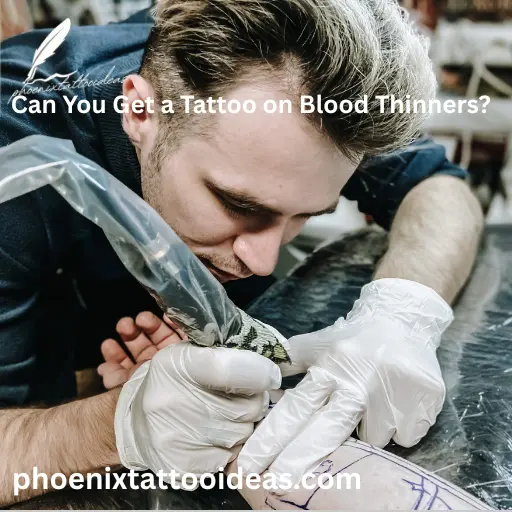
One of the most important things to remember is never stop taking blood thinners on your own before a tattoo appointment. Stopping prescription medication without medical guidance can increase your risk of serious health problems, including blood clots or stroke. Instead, speak with your healthcare provider and let your tattoo artist know about all medications and medical conditions before your session. With proper planning, professional advice, and careful tattoo aftercare, you can reduce potential tattoo risks and support healthy healing while protecting both your tattoo and your overall health.
What Are Blood Thinners?
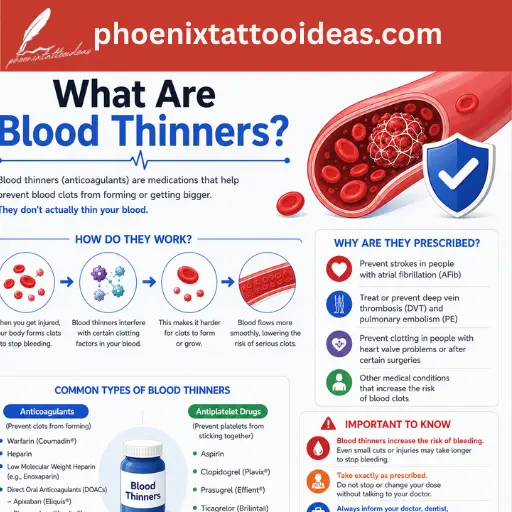
If you’re asking can you get a tattoo on blood thinners, it’s important to first understand what blood thinners are and how they affect your body. Blood thinners are medications that help reduce the risk of dangerous blood clots. Although they don’t actually make your blood thinner, they slow the blood clotting process, which can increase tattoo bleeding and affect the tattoo healing process. Understanding these medications helps you make safer decisions before getting a tattoo while taking blood thinners.
How Blood Thinners Work
Blood thinner medications reduce your blood’s ability to form clots. This lowers the risk of conditions such as stroke, deep vein thrombosis (DVT), and pulmonary embolism. Because clotting takes longer, people taking anticoagulants may experience more bleeding and bruising during a tattoo session.
Why People Take Blood Thinners
Doctors prescribe blood thinners to help prevent serious health problems caused by blood clots. Common reasons include atrial fibrillation, heart disease, artificial heart valves, DVT, pulmonary embolism, and recovery after certain surgeries.
Anticoagulants vs. Antiplatelet Drugs
There are two main types of blood thinners. Anticoagulants, such as Warfarin, Eliquis, Xarelto, and Pradaxa, slow the body’s clotting process. Antiplatelet drugs, including Aspirin and Plavix, prevent blood cells called platelets from sticking together. Both types can increase tattoo risks, so always consult your healthcare provider before getting a tattoo.
Risks of Getting a Tattoo While Taking Blood Thinners
If you’re wondering can you get a tattoo on blood thinners, understanding the possible risks is one of the most important steps before booking your appointment. While many people taking blood thinner medications can safely get a tattoo, the procedure carries additional considerations because these medications reduce your blood’s ability to clot. The level of risk depends on several factors, including the type of anticoagulant or antiplatelet medication, your overall health, the tattoo’s size and location, and whether you follow proper tattoo aftercare.
Can You Stop Blood Thinners Before Getting a Tattoo?
One of the most common questions people ask is, “Should you stop blood thinners before getting a tattoo?” The answer is simple: never stop your blood thinner medication on your own. Whether you’re taking Warfarin (Coumadin), Eliquis (Apixaban), Xarelto (Rivaroxaban), Pradaxa (Dabigatran), Heparin, Aspirin, or Plavix (Clopidogrel), stopping your medication without medical advice can be far more dangerous than the tattoo itself. If you’re wondering can you get a tattoo on blood thinners, the safest approach is to speak with your healthcare provider before making any changes to your treatment plan.
Why You Should Never Stop Medication Yourself
Blood thinners, also known as anticoagulants and antiplatelet medications, are prescribed to prevent serious conditions such as blood clots, stroke, deep vein thrombosis (DVT), pulmonary embolism, and heart-related complications. Skipping doses or stopping these medications without professional guidance can quickly increase your risk of life-threatening health problems.
Many people search for answers like “Can I stop blood thinners before getting a tattoo?” or “Is it safe to stop Eliquis or Warfarin for a tattoo?” The answer depends entirely on your medical history, the reason you’re taking the medication, and your current health status. Every person has a different individualized risk, which is why self-adjusting your medication is never recommended.
Instead of stopping your medication, focus on having an informed medical decision with your doctor. They can evaluate whether getting a tattoo while taking blood thinners is appropriate or if your tattoo appointment should be postponed.
Why Doctor Approval Matters
Before getting a tattoo on blood thinners, scheduling a pre-tattoo medical consultation is one of the most important safety steps you can take. Your healthcare provider understands your medical condition, current medications, and bleeding risk far better than general advice found online.
During your consultation, your doctor may consider:
- The type of blood thinner medication you take.
- Your dosage and overall treatment plan.
- Your risk of excessive bleeding or bruising.
- Any history of bleeding disorders or delayed wound healing.
- Conditions such as atrial fibrillation, heart disease, deep vein thrombosis (DVT), or previous stroke.
- Other medications or supplements that may increase bleeding risk.
This shared decision-making process helps determine whether it’s safe to proceed with tattooing and whether additional precautions are necessary.
Medical Clearance Before Your Tattoo Appointment
For many people taking anticoagulants, obtaining medical clearance for a tattoo provides extra peace of mind. Although not every tattoo studio requires a doctor’s note, some licensed tattoo artists may ask for one when clients disclose that they are taking blood thinners.
Medical clearance helps confirm that:
- Your condition is stable.
- The benefits of getting a tattoo outweigh the potential risks.
- No medication changes are needed.
- Your tattoo risk assessment has been completed.
- You understand the importance of proper tattoo aftercare and monitoring for complications.
It is also essential to inform your tattoo artist about every prescription medication, over-the-counter drug, and dietary supplement you take. This allows them to prepare for possible tattoo bleeding, adjust the session if needed, and provide personalized aftercare recommendations.
Questions to Ask Your Doctor Before Booking a Tattoo
If you’re wondering can you get a tattoo on blood thinners, one of the smartest steps you can take is scheduling a pre-tattoo medical consultation. Every person’s health situation is different, so there isn’t a one-size-fits-all answer. Your healthcare provider can perform an individualized risk assessment based on your medical history, current blood thinner medication, and overall health. This shared decision-making approach helps you understand the potential tattoo risks and whether it’s safe to move forward.
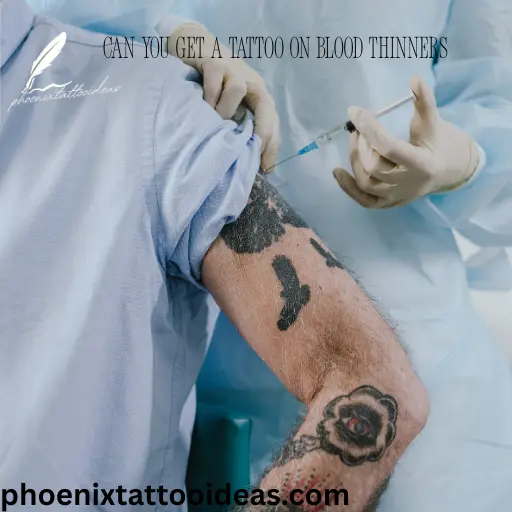
Use the following checklist during your appointment to ensure you cover all the important topics before getting a tattoo while taking blood thinners.
Doctor Consultation Checklist Before Getting a Tattoo
1. Is it safe for me to get a tattoo while taking blood thinners?
Ask whether your current medical condition makes tattooing a safe option.
2. Does my specific blood thinner medication increase tattoo risks?
Find out how medications like Warfarin (Coumadin), Eliquis (Apixaban), Xarelto (Rivaroxaban), Pradaxa (Dabigatran), Heparin, Aspirin, or Plavix (Clopidogrel) may affect tattoo bleeding, bruising, and healing.
3. Should I stop blood thinners before getting a tattoo?
Never change or stop your medication without medical advice. Ask if any adjustments are necessary and, if so, how they should be managed safely.
4. Am I at a higher risk of excessive bleeding or bruising?
Your doctor can explain whether your current health or medication increases your chances of prolonged bleeding during the tattoo session.
5. Will my medication affect the tattoo healing process?
Ask whether your blood thinner medication could slow wound healing, increase swelling, or affect tattoo pigment retention.
6. Do I need medical clearance before getting tattooed?
Some people may benefit from written medical clearance, especially if they have heart disease, atrial fibrillation, deep vein thrombosis (DVT), or other conditions requiring long-term anticoagulants.
7. Are there any medications or supplements I should discuss?
Mention all prescription drugs, over-the-counter medicines, vitamins, and herbal supplements, including fish oil, vitamin E, garlic, or ginkgo, as some may increase bleeding risk.
8. Is my current medical condition stable enough for a tattoo?
Discuss conditions such as heart disease, previous stroke, artificial heart valves, pulmonary embolism, diabetes, or bleeding disorders that may affect tattoo safety.
9. What warning signs should I watch for after getting a tattoo?
Ask about symptoms that require immediate medical attention, including prolonged bleeding, fever, severe swelling, pus, or spreading redness.
10. Should I take any extra precautions before or after my tattoo appointment?
Your doctor may recommend hydration, proper nutrition, avoiding alcohol, or additional monitoring during the tattoo healing process.
Why This Checklist Matters
Many people search “Can you get a tattoo while taking blood thinners?”, but the safest answer depends on your unique health profile. A pre-tattoo medical consultation helps you make an informed medical decision rather than relying on general advice. It also reduces the risk of tattoo bleeding, tattoo infection, delayed healing, and other complications.
Pro Tip
Take a written list of your medications, dosages, allergies, and medical conditions to your appointment. Sharing this information with both your healthcare provider and your licensed tattoo artist supports better communication, a more accurate tattoo risk assessment, and a safer tattoo experience.
Questions to Ask Your Tattoo Artist
Choosing a skilled licensed tattoo artist is just as important as consulting your doctor when you’re asking can you get a tattoo on blood thinners. Not every tattoo artist has experience working with clients who take blood thinner medications, so having an honest conversation before your appointment is essential. Sharing your medical history helps your artist prepare for possible tattoo bleeding, recommend the best placement, and explain how to support a healthy tattoo healing process.
Use the checklist below to make sure you ask the right questions before getting a tattoo while taking blood thinners.
Tattoo Artist Consultation Checklist
✅ Have you tattooed clients who take blood thinners before?
Experience matters. An artist who has worked with clients taking Warfarin, Eliquis, Xarelto, Pradaxa, Aspirin, or Plavix is more likely to understand the extra precautions needed during the session.
✅ Are you comfortable tattooing someone taking blood thinner medication?
Some artists may postpone or decline the procedure if they believe the tattoo risk assessment suggests that it is unsafe. A professional artist will always prioritize your health over completing a tattoo.
✅ Do you require medical clearance from my doctor?
Many reputable studios ask for medical clearance before tattooing clients taking anticoagulants or antiplatelet medications. Ask about the studio’s policy before booking your appointment.
✅ How do you manage excessive tattoo bleeding during a session?
Discuss what steps the artist takes if tattoo bleeding is heavier than expected and whether they adjust their technique to improve tattoo pigment retention and reduce skin trauma.
✅ Will my medication affect the final tattoo results?
Ask whether your blood thinner medication could increase the chance of uneven color, additional bruising, or the need for a future tattoo touch-up.
✅ Which tattoo placement is best if I’m taking blood thinners?
Certain body areas may bleed more or heal more slowly than others. An experienced artist can recommend locations that may support better wound healing and reduce unnecessary irritation.
✅ What tattoo size and design would you recommend?
If you’re taking blood thinners, your artist may suggest starting with a smaller tattoo before committing to a large or highly detailed piece.
✅ What aftercare routine do you recommend for someone on blood thinners?
Proper tattoo aftercare is essential. Ask which products to use, how often to clean the tattoo, and what activities to avoid during healing.
✅ What signs of complications should I watch for?
Your artist should explain the difference between normal healing and warning signs such as prolonged bleeding, excessive swelling, pus, or symptoms of a tattoo infection that require medical attention.
✅ Do you follow strict hygiene and sterilization standards?
Confirm that the studio uses sterile equipment, single-use needles, fresh ink caps, disposable gloves, and follows local health regulations. These practices help lower the risk of infection and support safe tattooing.
Why These Questions Matter
Many people focus only on asking their doctor, but your licensed tattoo artist also plays an important role in your safety. Open communication allows both professionals to understand your needs and helps create an individualized risk assessment. This shared decision-making approach can reduce tattoo risks, improve tattoo healing, and increase the chances of excellent tattoo pigment retention.
Can Tattoo Artists Refuse Clients on Blood Thinners?
Yes, tattoo artists can refuse clients on blood thinners if they believe the procedure could put the client at risk or if it conflicts with the studio’s health and safety policies. If you’re asking can you get a tattoo on blood thinners, it’s important to understand that tattoo artists have a professional responsibility to protect both their clients and themselves. While taking blood thinner medication does not automatically prevent you from getting a tattoo, some situations may require a pre-tattoo medical consultation, medical clearance, or postponing the appointment until it is safer.
A professional licensed tattoo artist will evaluate several factors, including your health, medications, the size of the tattoo, and the potential for tattoo bleeding, before deciding whether to proceed.
Studio Policies
Every tattoo studio has its own health and safety guidelines. Many reputable studios ask clients to complete a medical history form before tattooing. If you disclose that you’re taking Warfarin (Coumadin), Eliquis (Apixaban), Xarelto (Rivaroxaban), Pradaxa (Dabigatran), Heparin, Aspirin, or Plavix (Clopidogrel), the artist may ask additional questions about your condition.
Some studios may request:
- A recent medical clearance from your healthcare provider.
- Details about your blood thinner medication and dosage.
- Information about previous bleeding or healing problems.
- Confirmation that your medical condition is stable.
- Permission to postpone the session if they believe the tattoo risk assessment indicates a higher chance of complications.
These policies are designed to improve tattoo safety, reduce tattoo risks, and help ensure a successful tattoo healing process.
Ethical Considerations
Professional tattoo artists have an ethical responsibility to avoid procedures that could cause unnecessary harm. If an artist believes that getting a tattoo while taking blood thinners presents a significant health risk, they may decline the appointment—even if you are willing to proceed.
This decision is not about discrimination. Instead, it reflects responsible shared decision-making and a commitment to client safety. A reputable artist understands that informed consent means making sure clients are aware of potential complications, including excessive bleeding, bruising, delayed wound healing, tattoo infection, and possible poor pigment retention.
Experienced artists will often encourage clients to consult their healthcare provider before scheduling a tattoo rather than making assumptions about medication safety.
Safety Concerns
The primary reason a tattoo artist may refuse to tattoo someone taking anticoagulants or antiplatelet medications is the increased risk of complications during and after the procedure.
Common safety concerns include:
- Excessive tattoo bleeding that makes it difficult to apply ink evenly.
- Increased bruising around the tattooed area.
- Slower tattoo healing and delayed skin recovery.
- Reduced tattoo pigment retention, which may lead to uneven color or additional touch-ups.
- Higher risk of tattoo infection if healing is prolonged.
- Medical conditions such as atrial fibrillation, deep vein thrombosis (DVT), recent stroke, heart disease, or bleeding disorders, which may require an individualized risk assessment before tattooing.
A responsible tattoo artist will never encourage you to stop taking your medication. Instead, they will recommend discussing your treatment with your healthcare provider and obtaining medical clearance if necessary.
Can You Improve Your Chances of Being Approved for a Tattoo?
Yes. If you’re wondering “Can you get a tattoo while taking blood thinners?”, these steps can help demonstrate that you’ve planned responsibly:
- Schedule a pre-tattoo medical consultation with your healthcare provider.
- Bring medical clearance if your doctor recommends it.
- Be honest about all prescription medications, supplements, and medical conditions.
- Choose a highly experienced licensed tattoo artist who follows strict hygiene standards.
- Follow all tattoo aftercare instructions to support healthy wound healing.
- Never stop or adjust your blood thinner medication without your doctor’s approval.
Tattoo Preparation Checklist
Preparing for your appointment is just as important as choosing the right tattoo design—especially if you’re wondering can you get a tattoo on blood thinners. A little planning can reduce tattoo risks, support a smoother tattoo healing process, and help your licensed tattoo artist work safely. If you’re taking blood thinner medication such as Warfarin (Coumadin), Eliquis (Apixaban), Xarelto (Rivaroxaban), Pradaxa (Dabigatran), Heparin, Aspirin, or Plavix (Clopidogrel), preparation should always begin with a pre-tattoo medical consultation and an individualized risk assessment. The checklist below will help you get ready while protecting your health.

One Week Before Your Tattoo
The week leading up to your appointment is the best time to prepare both your body and your skin.
✅ Schedule or complete your doctor consultation if you haven’t already.
✅ Confirm that your healthcare provider believes it’s safe to get a tattoo while taking blood thinners.
✅ Never stop blood thinners before getting a tattoo unless your doctor specifically instructs you to do so.
✅ Inform your licensed tattoo artist about all prescription medications, medical conditions, allergies, and previous healing issues.
✅ Stay well hydrated by drinking plenty of water each day to support healthy wound healing.
✅ Eat a balanced diet rich in protein, vitamins, and minerals to prepare your skin for recovery.
✅ Get enough sleep every night, as quality rest helps strengthen your immune system and supports faster healing.
✅ Avoid excessive sun exposure or sunburn on the area you plan to tattoo.
✅ If you take vitamins, herbal products, or supplements such as fish oil, vitamin E, garlic supplements, or ginkgo biloba, ask your healthcare provider whether they could increase your bleeding risk. Never stop any supplement without professional advice.
Day Before Your Tattoo Appointment
Your goal is to arrive well-rested, hydrated, and ready for your session.
✅ Drink plenty of water to keep your skin hydrated.
✅ Eat healthy meals and avoid skipping dinner.
✅ Get at least 7–8 hours of sleep.
✅ Avoid drinking alcohol, as it may increase tattoo bleeding and contribute to dehydration.
✅ Avoid recreational drugs that could affect your judgment or increase bleeding risk.
✅ Wear loose, comfortable clothing that allows easy access to the tattoo area.
✅ Double-check your appointment time and bring any medical clearance requested by the tattoo studio.
✅ Prepare a list of your medications in case your tattoo artist asks about your treatment.
Day of Your Tattoo Appointment
The day of your tattoo is all about reducing stress and supporting tattoo safety.
✅ Eat a healthy meal before arriving. Tattooing on an empty stomach may increase the chance of feeling lightheaded.
✅ Continue taking your prescribed blood thinner medication exactly as directed unless your healthcare provider has instructed otherwise.
✅ Drink water before and during your appointment to stay hydrated.
✅ Wear clean, comfortable clothing that won’t rub against the tattoo.
✅ Inform your tattoo artist immediately if you feel dizzy, weak, or notice excessive bleeding during the session.
✅ Confirm that the studio uses sterile equipment, single-use needles, disposable gloves, and follows proper hygiene practices.
✅ Listen carefully to all tattoo aftercare instructions before leaving the studio.
Preparation Mistakes to Avoid
Many people focus only on the tattoo itself, but avoiding these common mistakes can help reduce complications:
- ❌ Stopping blood thinner medication without medical approval.
- ❌ Drinking alcohol before your tattoo appointment.
- ❌ Arriving dehydrated or skipping meals.
- ❌ Hiding your medical history from your licensed tattoo artist.
- ❌ Ignoring your doctor’s recommendations.
- ❌ Choosing an unlicensed or inexperienced tattoo studio.
- ❌ Failing to follow your artist’s tattoo aftercare instructions.
Quick Pre-Tattoo Checklist
| Task | Completed |
|---|---|
| Consulted my healthcare provider | ✅ |
| Completed a pre-tattoo medical consultation | ✅ |
| Received medical clearance (if recommended) | ✅ |
| Shared all medications with my tattoo artist | ✅ |
| Stayed hydrated | ✅ |
| Avoided alcohol before the appointment | ✅ |
| Ate a healthy meal | ✅ |
| Chose a licensed tattoo artist | ✅ |
| Reviewed tattoo aftercare instructions | ✅ |
Tattoo Healing Timeline While on Blood Thinners
If you’re wondering can you get a tattoo on blood thinners, understanding the tattoo healing timeline is essential. While most tattoos heal within 2 to 4 weeks, people taking blood thinner medications such as Warfarin (Coumadin), Eliquis (Apixaban), Xarelto (Rivaroxaban), Pradaxa (Dabigatran), Heparin, Aspirin, or Plavix (Clopidogrel) may experience slightly longer healing, increased tattoo bleeding, or more bruising. Your recovery depends on your overall health, the type of anticoagulant or antiplatelet medication you take, the tattoo’s size, and how well you follow your tattoo aftercare routine.
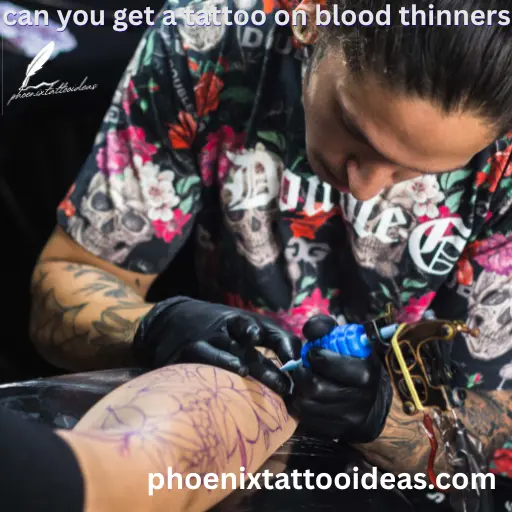
Below is a general tattoo healing timeline while taking blood thinners. Everyone heals differently, so always follow your healthcare provider’s and licensed tattoo artist’s instructions.
Day 1: Fresh Tattoo & Initial Bleeding
The first 24 hours are the most important because your tattoo is essentially an open wound.
During Day 1, you may notice:
- Mild to moderate tattoo bleeding, especially if you’re taking blood thinners.
- Slight oozing of blood, plasma, and excess tattoo ink.
- Redness around the tattoo.
- Mild swelling and tenderness.
- Warm skin near the tattooed area.
These symptoms are usually normal. Keep the protective bandage on for the recommended time, gently wash the tattoo with mild soap, and apply only the aftercare products recommended by your tattoo artist.
Long-tail keyword focus: Can blood thinners affect tattoo healing? Yes. Blood thinners may increase bleeding during the first day, but proper tattoo aftercare while taking blood thinners helps reduce complications.
Days 2–3: Bleeding Decreases & Healing Begins
By the second and third day, bleeding should begin to slow, although people taking anticoagulants may still experience minor oozing.
You may notice:
- Reduced bleeding.
- Mild bruising around the tattoo.
- Slight itching.
- Thin protective scabs beginning to form.
- Less swelling than Day 1.
Continue washing the tattoo gently and avoid scratching or rubbing the area. Staying hydrated and avoiding alcohol can support healthy wound healing.
If bleeding becomes heavier instead of improving, or if swelling continues to worsen, contact your healthcare provider.
Week 1: Scabbing & Skin Repair
During the first week, your body begins repairing damaged skin.
Normal healing signs include:
- Light flaking.
- Small scabs.
- Itching.
- Less redness.
- Bruising gradually fading.
People often ask, “Do blood thinners make tattoos heal slower?” They can. Because blood clotting takes longer, healing may progress more slowly than in someone who is not taking blood thinner medication.
Avoid:
- Picking scabs.
- Swimming.
- Direct sunlight.
- Tight clothing rubbing against the tattoo.
Following proper tattoo aftercare improves tattoo pigment retention and lowers the risk of infection.
Week 2: Peeling & New Skin Forms
By the second week, most tattoos begin looking much better.
You may experience:
- Dry, peeling skin.
- Less itching.
- Reduced tenderness.
- Brighter tattoo colors beginning to appear.
- Continued skin regeneration.
Although the outer skin may appear healed, the deeper layers are still recovering. Continue moisturizing with products recommended by your licensed tattoo artist and protect your tattoo from UV exposure.
This stage is important for preserving tattoo detail and reducing premature fading.
Weeks 3–4: Surface Healing Near Completion
Between Weeks 3 and 4, most people notice significant improvement.
Typical signs include:
- No more scabbing.
- Minimal redness.
- Smooth skin texture.
- Better tattoo pigment retention.
- Comfortable movement around the tattoo.
However, if you’re taking Warfarin, Eliquis, Xarelto, Pradaxa, or other blood thinner medications, internal healing may still take a little longer.
Continue:
- Applying sunscreen once the tattoo is fully closed.
- Staying hydrated.
- Following healthy lifestyle habits.
- Watching for delayed signs of tattoo infection.
Month 2: Fully Healed for Most People
By the second month, most tattoos are completely healed both inside and out.
At this stage:
- Skin should feel normal.
- Tattoo colors become more settled.
- Any remaining bruising should be gone.
- The tattoo should no longer be sensitive.
This is also a good time to evaluate whether you need a tattoo touch-up, especially if increased bleeding affected tattoo pigment retention during the procedure.
If your tattoo still has persistent redness, pain, swelling, drainage, or delayed healing after several weeks, seek medical advice. These symptoms may indicate a problem beyond normal healing.
Tattoo Healing Timeline at a Glance
| Healing Stage | What to Expect | Care Tips |
|---|---|---|
| Day 1 | Bleeding, redness, swelling, plasma leakage | Keep bandaged as directed, clean gently, follow aftercare instructions |
| Days 2–3 | Less bleeding, mild bruising, early scabbing | Wash gently, stay hydrated, avoid alcohol and friction |
| Week 1 | Scabbing, itching, peeling begins | Don’t pick scabs, avoid swimming and direct sun |
| Week 2 | Peeling continues, new skin forms | Moisturize, protect from UV exposure, continue aftercare |
| Weeks 3–4 | Surface healing nearly complete | Use sunscreen after the skin closes and maintain hydration |
| Month 2 | Fully healed for most people | Assess healing and discuss a touch-up if needed |
Tattoo Aftercare While Taking Blood Thinners
Proper tattoo aftercare while taking blood thinners is one of the most important factors in achieving a healthy recovery and protecting your new tattoo. If you’re wondering can you get a tattoo on blood thinners, remember that medications such as Warfarin (Coumadin), Eliquis (Apixaban), Xarelto (Rivaroxaban), Pradaxa (Dabigatran), Heparin, Aspirin, and Plavix (Clopidogrel) can increase tattoo bleeding, bruising, and slightly delay the tattoo healing process. A consistent aftercare routine helps reduce the risk of tattoo infection, supports wound healing, and improves tattoo pigment retention.
Follow the daily routine below to give your tattoo the best chance to heal safely.
Morning Routine
Start each day by protecting your fresh tattoo and keeping the area clean.
✅ Wash your hands thoroughly before touching your tattoo.
✅ Gently clean the tattoo with lukewarm water and a fragrance-free antibacterial soap recommended by your tattoo artist.
✅ Pat the area dry with a clean paper towel or allow it to air dry. Never rub the tattoo.
✅ Apply a thin layer of fragrance-free tattoo aftercare ointment or moisturizer approved by your licensed tattoo artist.
✅ Wear loose, breathable clothing to prevent friction against the tattoo.
✅ Drink plenty of water to stay hydrated, as proper hydration supports skin regeneration and wound healing.
✅ If the tattoo is fully healed, apply a broad-spectrum SPF 30 or higher sunscreen before going outdoors to reduce fading caused by UV exposure.
Evening Routine
Your nighttime routine is just as important because your skin repairs itself while you sleep.
✅ Wash your tattoo gently to remove sweat, dirt, and bacteria collected during the day.
✅ Check for any unusual signs such as prolonged tattoo bleeding, excessive swelling, pus, or spreading redness.
✅ Apply a light layer of moisturizer if your tattoo feels dry or itchy.
✅ Sleep in clean bedding and avoid putting pressure on the tattoo whenever possible.
✅ Continue drinking water throughout the evening to help your body recover.
✅ Avoid scratching, rubbing, or picking at peeling skin or scabs, even if the tattoo becomes itchy.
Products to Use
Choosing the right products can help reduce irritation and support a smoother tattoo healing process.
Use products such as:
- ✅ Fragrance-free antibacterial soap.
- ✅ Tattoo aftercare balm recommended by your licensed tattoo artist.
- ✅ Fragrance-free moisturizing lotion after the initial healing stage.
- ✅ Sterile non-stick bandages if your artist recommends covering the tattoo.
- ✅ Broad-spectrum SPF 30–50 sunscreen after the tattoo has completely closed.
- ✅ Clean paper towels instead of reusable cloth towels.
- ✅ Soft, breathable cotton clothing that minimizes friction.
These products help maintain clean skin, support tattoo pigment retention, and lower the chance of developing a tattoo infection.
Products to Avoid
Some products can slow healing, increase irritation, or affect the final appearance of your tattoo.
Avoid using:
- ❌ Alcohol-based skin cleansers.
- ❌ Hydrogen peroxide unless specifically instructed by a healthcare provider.
- ❌ Strong exfoliating products or facial scrubs.
- ❌ Retinol, glycolic acid, salicylic acid, and other active skincare ingredients directly on a healing tattoo.
- ❌ Petroleum jelly in thick layers that prevent the skin from breathing.
- ❌ Highly scented lotions and perfumes.
- ❌ Makeup applied over a fresh tattoo.
- ❌ Hot tubs, swimming pools, lakes, and oceans until the tattoo has fully healed.
Also avoid excessive alcohol consumption and smoking during recovery, as both can slow wound healing and may increase the risk of complications.
Extra Aftercare Tips for People Taking Blood Thinners
If you’re getting a tattoo while taking blood thinners, these additional precautions can make a difference:
- Inform your licensed tattoo artist about all medications before the session.
- Never stop your blood thinner medication without your healthcare provider’s approval.
- Follow every aftercare instruction exactly as directed.
- Monitor your tattoo daily for signs of infection, delayed healing, or excessive bleeding.
- Contact your healthcare provider immediately if bleeding does not stop, swelling becomes severe, or you develop fever, pus, or red streaks around the tattoo.
- Keep all follow-up appointments if your doctor recommends monitoring your healing.
Tattoo Aftercare While Taking Blood Thinners
Proper tattoo aftercare while taking blood thinners is one of the most important factors in achieving a healthy recovery and protecting your new tattoo. If you’re wondering can you get a tattoo on blood thinners, remember that medications such as Warfarin (Coumadin), Eliquis (Apixaban), Xarelto (Rivaroxaban), Pradaxa (Dabigatran), Heparin, Aspirin, and Plavix (Clopidogrel) can increase tattoo bleeding, bruising, and slightly delay the tattoo healing process. A consistent aftercare routine helps reduce the risk of tattoo infection, supports wound healing, and improves tattoo pigment retention.

Follow the daily routine below to give your tattoo the best chance to heal safely.
Morning Routine
Start each day by protecting your fresh tattoo and keeping the area clean.
✅ Wash your hands thoroughly before touching your tattoo.
✅ Gently clean the tattoo with lukewarm water and a fragrance-free antibacterial soap recommended by your tattoo artist.
✅ Pat the area dry with a clean paper towel or allow it to air dry. Never rub the tattoo.
✅ Apply a thin layer of fragrance-free tattoo aftercare ointment or moisturizer approved by your licensed tattoo artist.
✅ Wear loose, breathable clothing to prevent friction against the tattoo.
✅ Drink plenty of water to stay hydrated, as proper hydration supports skin regeneration and wound healing.
✅ If the tattoo is fully healed, apply a broad-spectrum SPF 30 or higher sunscreen before going outdoors to reduce fading caused by UV exposure.
Evening Routine
Your nighttime routine is just as important because your skin repairs itself while you sleep.
✅ Wash your tattoo gently to remove sweat, dirt, and bacteria collected during the day.
✅ Check for any unusual signs such as prolonged tattoo bleeding, excessive swelling, pus, or spreading redness.
✅ Apply a light layer of moisturizer if your tattoo feels dry or itchy.
✅ Sleep in clean bedding and avoid putting pressure on the tattoo whenever possible.
✅ Continue drinking water throughout the evening to help your body recover.
✅ Avoid scratching, rubbing, or picking at peeling skin or scabs, even if the tattoo becomes itchy.
Products to Use
Choosing the right products can help reduce irritation and support a smoother tattoo healing process.
Use products such as:
- ✅ Fragrance-free antibacterial soap.
- ✅ Tattoo aftercare balm recommended by your licensed tattoo artist.
- ✅ Fragrance-free moisturizing lotion after the initial healing stage.
- ✅ Sterile non-stick bandages if your artist recommends covering the tattoo.
- ✅ Broad-spectrum SPF 30–50 sunscreen after the tattoo has completely closed.
- ✅ Clean paper towels instead of reusable cloth towels.
- ✅ Soft, breathable cotton clothing that minimizes friction.
These products help maintain clean skin, support tattoo pigment retention, and lower the chance of developing a tattoo infection.
Products to Avoid
Some products can slow healing, increase irritation, or affect the final appearance of your tattoo.
Avoid using:
- ❌ Alcohol-based skin cleansers.
- ❌ Hydrogen peroxide unless specifically instructed by a healthcare provider.
- ❌ Strong exfoliating products or facial scrubs.
- ❌ Retinol, glycolic acid, salicylic acid, and other active skincare ingredients directly on a healing tattoo.
- ❌ Petroleum jelly in thick layers that prevent the skin from breathing.
- ❌ Highly scented lotions and perfumes.
- ❌ Makeup applied over a fresh tattoo.
- ❌ Hot tubs, swimming pools, lakes, and oceans until the tattoo has fully healed.
Also avoid excessive alcohol consumption and smoking during recovery, as both can slow wound healing and may increase the risk of complications.
Extra Aftercare Tips for People Taking Blood Thinners
If you’re getting a tattoo while taking blood thinners, these additional precautions can make a difference:
- Inform your licensed tattoo artist about all medications before the session.
- Never stop your blood thinner medication without your healthcare provider’s approval.
- Follow every aftercare instruction exactly as directed.
- Monitor your tattoo daily for signs of infection, delayed healing, or excessive bleeding.
- Contact your healthcare provider immediately if bleeding does not stop, swelling becomes severe, or you develop fever, pus, or red streaks around the tattoo.
- Keep all follow-up appointments if your doctor recommends monitoring your healing.
Foods, Supplements & Habits That May Increase Bleeding
If you’re wondering can you get a tattoo on blood thinners, it’s important to know that your blood thinner medication isn’t the only factor that can increase tattoo bleeding. Certain foods, dietary supplements, over-the-counter medications, and lifestyle habits may also affect blood clotting and increase your tattoo risk. Many people focus only on prescription anticoagulants, but combining them with products that naturally thin the blood may increase the chance of excessive bleeding, bruising, delayed wound healing, and even poor tattoo pigment retention.

Before getting a tattoo while taking blood thinners, discuss every medication and supplement you use with your healthcare provider during your pre-tattoo medical consultation. Never stop or start any medication or supplement without professional medical advice.
Important: The information below is for educational purposes only. Always follow your healthcare provider’s instructions regarding prescription medications, supplements, and pain relievers.
Alcohol
Alcohol is one of the most common contributors to increased tattoo bleeding. It can temporarily reduce your blood’s ability to clot and may also cause dehydration, which can slow the tattoo healing process.
Drinking alcohol before your tattoo appointment may lead to:
- Increased bleeding during tattooing.
- More bruising.
- Longer healing time.
- Higher risk of poor tattoo pigment retention.
- Increased skin irritation.
For the best results, many tattoo artists recommend avoiding alcohol for 24–48 hours before your appointment and during the early healing period, unless your healthcare provider advises otherwise.
Fish Oil Supplements
Fish oil supplements are widely used for heart health, but they may also affect platelet function in some people.
If you’re already taking Warfarin, Eliquis, Xarelto, Pradaxa, Aspirin, or another blood thinner medication, fish oil may further increase your risk of bruising or prolonged bleeding.
Before your tattoo appointment:
- Tell your healthcare provider if you take fish oil.
- Never stop supplements without medical advice.
- Include fish oil in your medication review during your doctor consultation.
Vitamin E
Many multivitamins and skin supplements contain Vitamin E, which may have mild blood-thinning effects in some individuals.
High-dose Vitamin E supplements could contribute to:
- Easier bruising.
- Longer bleeding time.
- Delayed tattoo healing.
Ask your healthcare provider whether your Vitamin E intake is appropriate before getting a tattoo.
Garlic Supplements
Garlic is a healthy food, but concentrated garlic supplements may reduce platelet activity and increase bleeding in some people.
Although normal dietary garlic is generally not a concern, high-dose supplements may increase tattoo risks when combined with anticoagulants or antiplatelet medications.
Always tell your healthcare provider about herbal supplements before your tattoo appointment.
Ginkgo Biloba
Ginkgo biloba is a popular herbal supplement often used to support memory and circulation. However, it may also increase bleeding risk in some individuals.
If you’re asking “Can blood thinners affect tattoo healing?”, remember that combining prescription blood thinners with herbal supplements like ginkgo may further increase:
- Tattoo bleeding.
- Bruising.
- Delayed wound healing.
- Recovery time.
Never assume herbal supplements are completely safe simply because they are natural.
NSAIDs (Only Under Medical Guidance)
NSAIDs (Nonsteroidal Anti-Inflammatory Drugs) include medications such as:
- Ibuprofen
- Naproxen
- Diclofenac
These medications can affect platelet function and may increase bleeding in some people.
If you’re taking blood thinner medications, do not take NSAIDs before or after your tattoo unless your healthcare provider specifically recommends them. Combining NSAIDs with prescription anticoagulants may significantly increase your risk of excessive bleeding.
If you need pain relief, ask your healthcare provider which medication is safest for your specific condition.
Other Habits That May Increase Tattoo Bleeding
In addition to supplements and medications, certain lifestyle habits may also increase tattoo risks:
- Smoking, which slows wound healing and skin regeneration.
- Poor hydration before your tattoo appointment.
- Lack of sleep, which may weaken your immune response.
- Poor nutrition that delays tissue repair.
- Excessive sun exposure before tattooing.
- Ignoring tattoo aftercare instructions.
- Hiding medications or medical conditions from your licensed tattoo artist.
Making healthier choices before your tattoo appointment can improve tattoo safety and support faster healing.
Quick Reference Table
| Food, Supplement, or Habit | May Increase Bleeding? | Recommendation Before a Tattoo |
|---|---|---|
| Alcohol | ✅ Yes | Avoid before and shortly after your appointment if medically appropriate. |
| Fish Oil Supplements | ✅ Possible | Discuss with your healthcare provider. |
| Vitamin E Supplements | ✅ Possible | Mention during your doctor consultation. |
| Garlic Supplements | ✅ Possible | Ask your doctor before continuing. |
| Ginkgo Biloba | ✅ Possible | Include in your medication review. |
| NSAIDs (Ibuprofen, Naproxen, etc.) | ✅ Yes | Only use under medical guidance. |
| Smoking | ⚠️ May delay healing | Reduce or avoid during recovery. |
| Dehydration | ⚠️ Yes | Stay well hydrated before and after tattooing. |
Key Takeaway
If you’re asking “Can you get a tattoo while taking blood thinners?”, remember that prescription medications aren’t the only factor affecting your tattoo risk assessment. Alcohol, certain supplements, NSAIDs, smoking, dehydration, and other habits may also increase tattoo bleeding or delay the tattoo healing process. The safest approach is to have a pre-tattoo medical consultation, complete a full medication review, and make an informed medical decision with your healthcare provider. Combined with proper tattoo aftercare and guidance from a licensed tattoo artist, these steps can help reduce complications and support a safer, healthier tattoo experience.
Who Should Avoid Getting a Tattoo?
While many people ask “Can you get a tattoo on blood thinners?”, the answer isn’t always yes. Although some individuals taking blood thinner medications can safely get tattooed with proper medical guidance, others may face a much higher risk of complications. Before getting a tattoo while taking blood thinners, it’s important to undergo a pre-tattoo medical consultation and an individualized risk assessment with your healthcare provider. This helps determine whether tattooing is appropriate based on your health, medications, and healing ability.

Below are the groups of people who should avoid getting a tattoo or postpone it until their healthcare provider confirms it is safe.
People with Uncontrolled Bleeding Disorders
If you have a bleeding disorder such as hemophilia or another condition that prevents normal blood clotting, getting a tattoo may result in excessive bleeding, prolonged healing, and a higher risk of complications.
Because tattooing involves thousands of tiny needle punctures, people with severe clotting disorders should only consider a tattoo after receiving specialist medical advice.
People Taking High-Risk Blood Thinner Medications Without Medical Approval
If you take Warfarin (Coumadin), Eliquis (Apixaban), Xarelto (Rivaroxaban), Pradaxa (Dabigatran), Heparin, Aspirin, or Plavix (Clopidogrel), do not book a tattoo appointment without speaking to your healthcare provider first.
Many people safely receive tattoos while taking anticoagulants or antiplatelet medications, but others may have a much higher risk of tattoo bleeding, bruising, delayed tattoo healing, or poor tattoo pigment retention.
Never stop your blood thinner medication without your doctor’s approval.
People Recovering from Recent Surgery or Hospitalization
If you’ve recently had surgery or are recovering from a serious illness, your body needs time to heal before experiencing additional skin trauma.
Your healthcare provider may recommend postponing your tattoo until:
- Your recovery is complete.
- Your immune system has stabilized.
- Your medications are well managed.
- Your overall health has improved.
People with an Active Infection or Fever
Never get a tattoo if you currently have:
- A fever.
- A bacterial or viral infection.
- An open wound near the tattoo area.
- Inflamed or infected skin.
Tattooing while your body is already fighting an infection can delay wound healing and increase the risk of developing a tattoo infection.
People with Poorly Controlled Diabetes
People with uncontrolled diabetes often experience slower wound healing and a greater risk of infection.
If you have diabetes, discuss your blood sugar control with your healthcare provider before getting a tattoo. Well-managed diabetes may reduce complications, but every case should be evaluated individually.
People with Certain Heart Conditions
Individuals with conditions such as:
- Atrial fibrillation
- Artificial heart valves
- Previous stroke
- Heart disease
- Recent heart surgery
often take long-term blood thinner medications to reduce the risk of blood clots.
Because these conditions require careful medication management, obtaining medical clearance before tattooing is strongly recommended.
People with Weakened Immune Systems
If your immune system is weakened because of illness or medications, your body may have more difficulty fighting infection and repairing skin.
Your healthcare provider may recommend delaying tattooing until your health improves.
People Experiencing Skin Conditions in the Tattoo Area
Avoid tattooing over skin affected by:
- Active eczema.
- Psoriasis flare-ups.
- Severe acne.
- Skin infections.
- Open wounds.
- Sunburn.
Healthy skin provides the best environment for successful tattoo healing and long-lasting tattoo pigment retention.
People Who Cannot Follow Proper Tattoo Aftercare
A fresh tattoo requires several weeks of careful attention.
If you cannot commit to:
- Cleaning your tattoo regularly.
- Following tattoo aftercare instructions.
- Avoiding swimming and excessive sun exposure.
- Monitoring for signs of infection.
it’s better to postpone your tattoo until you can properly care for it.
Warning Signs That You Should Delay Your Tattoo
Consider postponing your tattoo appointment if you:
- Have uncontrolled medical conditions.
- Recently started a new blood thinner medication.
- Are experiencing unusual bruising or unexplained bleeding.
- Feel sick or have a fever.
- Have recently undergone surgery.
- Have not yet completed your doctor consultation.
- Have not informed your licensed tattoo artist about your medications.
Can You Still Get a Tattoo While Taking Blood Thinners?
For many people, the answer is yes but only with proper planning.
You may be a suitable candidate if:
- Your healthcare provider believes your condition is stable.
- You’ve completed a pre-tattoo medical consultation.
- You’ve received medical clearance, if recommended.
- You understand your tattoo risk assessment.
- You choose an experienced licensed tattoo artist.
- You’re committed to following proper tattoo aftercare.
Every person is different, so shared decision-making between you, your healthcare provider, and your tattoo artist is the safest approach.
Alternatives If a Tattoo Isn’t Safe
If your healthcare provider advises against getting a permanent tattoo, don’t worry—you still have several creative ways to enjoy body art. Many people searching “Can you get a tattoo on blood thinners?” discover that postponing or avoiding a tattoo is the safest choice, especially if they have a high tattoo risk assessment, uncontrolled bleeding disorders, or certain medical conditions. Fortunately, there are temporary options that let you express your style without exposing yourself to the same level of tattoo bleeding, delayed wound healing, or infection risk.
The following alternatives are excellent choices if you’re taking blood thinner medications such as Warfarin (Coumadin), Eliquis (Apixaban), Xarelto (Rivaroxaban), Pradaxa (Dabigatran), Heparin, Aspirin, or Plavix (Clopidogrel) and your healthcare provider recommends avoiding a permanent tattoo.
Temporary Tattoos
Temporary tattoos are one of the safest alternatives to permanent body art because they sit on the surface of the skin and do not involve needles. Since there is no skin puncture, there is no increased risk of tattoo bleeding, bruising, or delayed tattoo healing associated with the application itself.
Benefits of temporary tattoos include:
- No needles or skin trauma.
- No recovery time.
- No risk of poor tattoo pigment retention.
- Easy to remove or replace.
- Ideal for trying different designs before committing to permanent ink.
Temporary tattoos are a great option if you’re waiting for medical clearance or simply want to see how a design looks before making a permanent decision.
Henna
Henna body art is another popular alternative. Natural henna stains the outer layer of the skin instead of placing ink beneath it, allowing you to enjoy decorative designs for one to three weeks without permanent commitment.
Advantages of natural henna include:
- Needle-free application.
- Temporary results.
- Wide variety of artistic designs.
- No permanent skin changes.
However, choose natural henna from a reputable source. Avoid products marketed as “black henna,” as they may contain chemicals that can cause severe skin reactions or allergic contact dermatitis.
If you have sensitive skin or allergies, consider performing a patch test before applying henna.
Custom Decals
Custom tattoo decals provide another safe, painless alternative. These professionally printed transfer tattoos can closely resemble real tattoos while remaining completely temporary.
Custom decals are ideal because they:
- Require no needles.
- Cause no tattoo bleeding or skin punctures.
- Can be personalized with names, symbols, or custom artwork.
- Last several days with proper care.
- Are easy to remove whenever you choose.
Many people use custom decals to test tattoo placement, size, and design before deciding whether to pursue permanent tattooing in the future.
Other Creative Alternatives
If a permanent tattoo isn’t recommended, you may also consider:
- Body paint for special events.
- Metallic temporary tattoos.
- Airbrush tattoos.
- Waterproof tattoo stickers.
- Jagua gel (when used safely and according to product instructions).
These options allow you to enjoy body art while avoiding the risks associated with getting a tattoo while taking blood thinners.
Can You Get a Permanent Tattoo Later?
For some people, avoiding a tattoo doesn’t have to be permanent. If your medical condition improves or your treatment plan changes, your healthcare provider may determine that tattooing is appropriate in the future.
Before making that decision:
- Schedule another pre-tattoo medical consultation.
- Request an updated individualized risk assessment.
- Discuss any changes to your blood thinner medication.
- Obtain medical clearance if recommended.
- Choose an experienced licensed tattoo artist.
- Follow proper tattoo aftercare instructions after the procedure.
Remember, never stop your anticoagulant or antiplatelet medication solely to get a tattoo unless your healthcare provider specifically instructs you to do so.
Comparison Table: Tattoo Alternatives
| Option | Permanent | Needles Required | Healing Time | Best For |
|---|---|---|---|---|
| Temporary Tattoos | ❌ No | ❌ No | None | Trying different designs safely |
| Natural Henna | ❌ No | ❌ No | None | Decorative body art for 1–3 weeks |
| Custom Tattoo Decals | ❌ No | ❌ No | None | Personalized designs without skin trauma |
| Airbrush Tattoos | ❌ No | ❌ No | None | Events and short-term body art |
| Permanent Tattoo | ✅ Yes | ✅ Yes | 2–6+ weeks | Long-term body art after medical approval |
Key Takeaway
If you’re asking “Can you get a tattoo on blood thinners?” and your healthcare provider recommends waiting, there are still plenty of safe ways to enjoy body art. Temporary tattoos, natural henna, and custom tattoo decals offer creative alternatives without the risks of tattoo bleeding, delayed wound healing, or permanent skin trauma. The safest approach is to make an informed medical decision through shared decision-making with your healthcare provider and choose the option that best protects your health while allowing you to express your personal style.
Pros and Cons of Tattoos on Blood Thinners
If you’re wondering can you get a tattoo on blood thinners, it’s important to weigh both the benefits and the potential risks before making a decision. Many people taking blood thinner medications such as Warfarin (Coumadin), Eliquis (Apixaban), Xarelto (Rivaroxaban), Pradaxa (Dabigatran), Heparin, Aspirin, or Plavix (Clopidogrel) successfully get tattoos after receiving medical approval. However, tattooing while taking anticoagulants or antiplatelet medications requires extra planning, a pre-tattoo medical consultation, and careful tattoo aftercare. Understanding the pros and cons will help you make an informed medical decision based on your personal health and tattoo risk assessment.
Pros of Getting a Tattoo While Taking Blood Thinners
Although there are additional precautions, getting a tattoo can still be a safe and rewarding experience for some people.
1. It May Be Safe with Medical Approval
Many individuals can safely get a tattoo while taking blood thinners if their medical condition is stable and their healthcare provider approves the procedure. A proper individualized risk assessment helps determine whether tattooing is appropriate.
2. You Can Still Express Yourself
A tattoo is a meaningful form of self-expression. Whether it represents a personal memory, cultural tradition, or artistic design, taking blood thinner medication does not automatically prevent you from enjoying permanent body art.
3. Experienced Tattoo Artists Can Reduce Risks
Choosing a skilled licensed tattoo artist who follows strict hygiene standards can reduce the risk of tattoo bleeding, tattoo infection, and poor tattoo pigment retention. An experienced artist can also recommend the best tattoo size, placement, and aftercare routine.
4. Modern Tattoo Aftercare Improves Healing
Following proper tattoo aftercare—including keeping the tattoo clean, staying hydrated, avoiding smoking, and protecting the area from UV exposure—can support healthy wound healing and improve the final appearance of your tattoo.
5. Better Medical Awareness Leads to Safer Decisions
Today’s healthcare providers and professional tattoo artists better understand the challenges of getting a tattoo while taking blood thinners. Through shared decision-making, many clients can safely enjoy tattoos without compromising their health.
Cons of Getting a Tattoo While Taking Blood Thinners
Despite the benefits, there are important disadvantages that should never be ignored.

1. Increased Tattoo Bleeding
The most common complication is excessive tattoo bleeding. Since blood thinners reduce your blood’s ability to clot, bleeding during the procedure may last longer than usual and can make tattooing more difficult.
2. More Bruising
People taking anticoagulants or antiplatelet medications often experience more bruising around the tattoo. Although bruising usually fades over time, it can temporarily affect the tattoo’s appearance and comfort.
3. Slower Tattoo Healing Process
Because clotting and tissue repair may take longer, the tattoo healing process can be slightly delayed. This means you’ll need to be extra careful with your tattoo aftercare and monitor the tattoo closely.
4. Greater Chance of Poor Pigment Retention
Heavy bleeding during tattooing may interfere with tattoo pigment retention, increasing the likelihood of lighter areas, uneven color, or the need for a tattoo touch-up after healing.
5. Higher Risk of Infection if Aftercare Is Poor
A fresh tattoo is an open wound. If proper hygiene isn’t maintained, prolonged healing may increase the risk of a tattoo infection. Following your tattoo artist’s aftercare instructions is essential.
6. Medical Clearance May Be Required
Some healthcare providers recommend medical clearance before tattooing, and some tattoo studios require documentation before working on clients taking blood thinner medications.
7. Not Everyone Is a Suitable Candidate
People with uncontrolled bleeding disorders, active infections, unstable medical conditions, or recent surgery may need to postpone tattooing until their healthcare provider determines that it is safe.
Pros and Cons Comparison Table
| Pros | Cons |
|---|---|
| May be safe with doctor approval | Increased tattoo bleeding |
| Allows personal expression | Greater bruising during and after tattooing |
| Experienced artists can reduce complications | Slower tattoo healing process |
| Proper aftercare supports recovery | Possible poor tattoo pigment retention |
| Medical planning improves safety | Higher risk of tattoo infection if aftercare is neglected |
| Modern techniques and hygiene improve outcomes | May require medical clearance before tattooing |
| Safe for many people after an individualized risk assessment | Not suitable for everyone taking blood thinners |
Should the Pros Outweigh the Cons?
The answer depends on your overall health, the reason you’re taking blood thinner medication, and your doctor’s recommendations. For many people with stable medical conditions, a tattoo can be completed safely with careful preparation, a pre-tattoo medical consultation, and guidance from an experienced licensed tattoo artist.
However, if your healthcare provider believes the risks outweigh the benefits, it may be safer to postpone your tattoo or choose one of the temporary alternatives discussed earlier.
Common Myths vs Facts
If you’re searching “can you get a tattoo on blood thinners”, you’ve probably come across conflicting advice online. Some sources claim it’s completely unsafe, while others say there’s nothing to worry about. The truth lies somewhere in between. Your safety depends on factors such as your blood thinner medication, overall health, the reason you’re taking anticoagulants or antiplatelet medications, and whether you’ve had a pre-tattoo medical consultation.
The table below separates common myths from medical facts so you can make an informed decision.
| Myth | Fact |
|---|---|
| You can’t get a tattoo if you’re taking blood thinners. | Many people can safely get a tattoo while taking blood thinners, but only after a doctor consultation, an individualized risk assessment, and proper planning. |
| You should stop your blood thinner before your tattoo appointment. | Never stop blood thinner medication on your own. Stopping Warfarin, Eliquis, Xarelto, Pradaxa, Heparin, Aspirin, or Plavix without medical advice can increase the risk of blood clots, stroke, or other serious complications. |
| All blood thinners create the same tattoo risk. | Different medications affect the body differently. Your healthcare provider will evaluate your medication, dosage, and medical history before determining whether tattooing is appropriate. |
| A small tattoo is always safe. | Even a small tattoo creates thousands of tiny skin punctures. Proper tattoo safety, medical clearance (if needed), and tattoo aftercare are still important. |
| More bleeding always ruins the tattoo. | Mild bleeding is common, especially for people taking blood thinner medications. An experienced licensed tattoo artist can often manage this, although excessive bleeding may affect tattoo pigment retention. |
| Slow healing always means the tattoo is infected. | People taking blood thinners may experience a slightly longer tattoo healing process. However, symptoms such as pus, fever, worsening pain, or spreading redness should be evaluated by a healthcare provider. |
| Herbal supplements don’t matter because they’re natural. | Supplements such as fish oil, garlic, ginkgo biloba, and high-dose Vitamin E may increase bleeding in some people. Always tell your doctor about every supplement you take. |
| You don’t need to tell your tattoo artist about your medications. | Always inform your licensed tattoo artist about your blood thinner medication, medical conditions, allergies, and previous healing problems. Honest communication improves tattoo safety. |
| Tattoo aftercare is only important for the first few days. | Proper tattoo aftercare should continue throughout the healing process. Following your artist’s instructions helps reduce tattoo infection, supports wound healing, and improves long-term tattoo appearance. |
| If your doctor approves, there are no risks. | Medical approval lowers risk but doesn’t eliminate it. Tattoo bleeding, bruising, delayed healing, and infection are still possible, which is why ongoing care and monitoring are essential. |
Why These Facts Matter
Believing myths can lead to poor decisions, such as stopping medication without medical advice or ignoring proper aftercare. The safest approach is to combine medical guidance with professional tattoo expertise.
Before getting a tattoo while taking blood thinners, remember to:
- Schedule a pre-tattoo medical consultation.
- Never stop your blood thinner medication without your healthcare provider’s approval.
- Choose an experienced licensed tattoo artist who follows strict hygiene standards.
- Follow all tattoo aftercare instructions carefully.
- Watch for signs of excessive bleeding, delayed healing, or tattoo infection.
Common Myths vs Facts
If you’re searching “can you get a tattoo on blood thinners”, you’ve probably come across conflicting advice online. Some sources claim it’s completely unsafe, while others say there’s nothing to worry about. The truth lies somewhere in between. Your safety depends on factors such as your blood thinner medication, overall health, the reason you’re taking anticoagulants or antiplatelet medications, and whether you’ve had a pre-tattoo medical consultation.
The table below separates common myths from medical facts so you can make an informed decision.
| Myth | Fact |
|---|---|
| You can’t get a tattoo if you’re taking blood thinners. | Many people can safely get a tattoo while taking blood thinners, but only after a doctor consultation, an individualized risk assessment, and proper planning. |
| You should stop your blood thinner before your tattoo appointment. | Never stop blood thinner medication on your own. Stopping Warfarin, Eliquis, Xarelto, Pradaxa, Heparin, Aspirin, or Plavix without medical advice can increase the risk of blood clots, stroke, or other serious complications. |
| All blood thinners create the same tattoo risk. | Different medications affect the body differently. Your healthcare provider will evaluate your medication, dosage, and medical history before determining whether tattooing is appropriate. |
| A small tattoo is always safe. | Even a small tattoo creates thousands of tiny skin punctures. Proper tattoo safety, medical clearance (if needed), and tattoo aftercare are still important. |
| More bleeding always ruins the tattoo. | Mild bleeding is common, especially for people taking blood thinner medications. An experienced licensed tattoo artist can often manage this, although excessive bleeding may affect tattoo pigment retention. |
| Slow healing always means the tattoo is infected. | People taking blood thinners may experience a slightly longer tattoo healing process. However, symptoms such as pus, fever, worsening pain, or spreading redness should be evaluated by a healthcare provider. |
| Herbal supplements don’t matter because they’re natural. | Supplements such as fish oil, garlic, ginkgo biloba, and high-dose Vitamin E may increase bleeding in some people. Always tell your doctor about every supplement you take. |
| You don’t need to tell your tattoo artist about your medications. | Always inform your licensed tattoo artist about your blood thinner medication, medical conditions, allergies, and previous healing problems. Honest communication improves tattoo safety. |
| Tattoo aftercare is only important for the first few days. | Proper tattoo aftercare should continue throughout the healing process. Following your artist’s instructions helps reduce tattoo infection, supports wound healing, and improves long-term tattoo appearance. |
| If your doctor approves, there are no risks. | Medical approval lowers risk but doesn’t eliminate it. Tattoo bleeding, bruising, delayed healing, and infection are still possible, which is why ongoing care and monitoring are essential. |
Why These Facts Matter
Believing myths can lead to poor decisions, such as stopping medication without medical advice or ignoring proper aftercare. The safest approach is to combine medical guidance with professional tattoo expertise.
Before getting a tattoo while taking blood thinners, remember to:
- Schedule a pre-tattoo medical consultation.
- Never stop your blood thinner medication without your healthcare provider’s approval.
- Choose an experienced licensed tattoo artist who follows strict hygiene standards.
- Follow all tattoo aftercare instructions carefully.
- Watch for signs of excessive bleeding, delayed healing, or tattoo infection.
Final Verdict: Can You Get a Tattoo on Blood Thinners?
The answer is yes but only in the right circumstances.
Taking blood thinner medications such as Warfarin (Coumadin), Eliquis (Apixaban), Xarelto (Rivaroxaban), Pradaxa (Dabigatran), Heparin, Aspirin, or Plavix (Clopidogrel) does not automatically mean you can’t get a tattoo. However, it does increase the risk of tattoo bleeding, bruising, slower tattoo healing, and, in some cases, reduced tattoo pigment retention.
The safest approach is to schedule a pre-tattoo medical consultation with your healthcare provider and undergo an individualized risk assessment. Your doctor can evaluate your medical condition, the reason you’re taking blood thinners, your current dosage, and any additional health concerns to determine whether tattooing is appropriate. Never stop or change your blood thinner medication without medical approval, as doing so can significantly increase the risk of blood clots, stroke, or other serious complications.
Choosing an experienced licensed tattoo artist is equally important. A reputable professional will follow strict hygiene standards, discuss your medical history, explain realistic expectations, and provide detailed tattoo aftercare instructions to help minimize complications.
If your healthcare provider determines that the risks outweigh the benefits, don’t view it as the end of your body art journey. Temporary tattoos, natural henna, and custom tattoo decals offer safe alternatives that let you express your style without exposing yourself to unnecessary health risks.
- The Girl with the Dragon Tattoo: Book, Movies, Cast, Plot & Ending Explained
- What Makes a Great Phoenix Tattoo Designs 2026 ?
- Phoenix Tattoo Meaning & Symbolism: The Powerful Meaning Behind a Phoenix Tattoo 2026
- Stunning Arm Tattoo Ideas: Designs for Every Style, Size, and Placement 2026
- Forearm Tattoos for Men: 100+ Ideas, Styles, Meanings & Placement Guide