
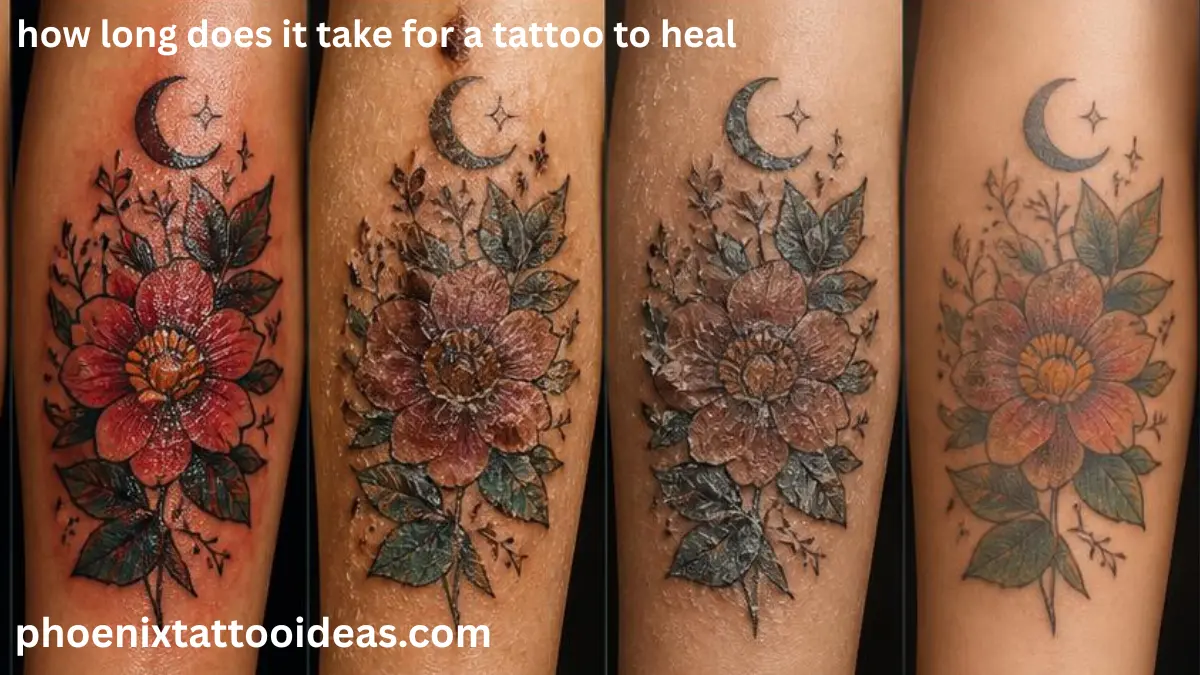
Quick Answer how long does it take for a tattoo to heal
If you’re wondering how long does it take for a tattoo to heal, the short answer is that most tattoos appear healed within 2 to 4 weeks, but complete healing beneath the skin usually takes 2 to 6 months. While the outer layer of skin recovers fairly quickly, the deeper layers continue repairing long after the tattoo looks finished. This is why proper tattoo aftercare is important, even if your tattoo see
The exact tattoo healing time varies from person to person. Factors such as the tattoo’s size, placement, ink coverage, your overall health, and how well you follow your tattoo artist’s aftercare instructions all influence the tattoo healing process. During this period, it’s nor mal to notice mild redness, peeling, flaking, itching, and light scabbing as part of the natural tattoo healing stages.
In this guide, you’ll learn the complete tattoo healing timeline, what to expect during each stage, how to care for a healing tattoo, common mistakes to avoid, signs of possible infection, and practical tips to help your new ink heal properly while keeping its color and detail looking their best.
Understanding the Tattoo Healing Process
A new tattoo is more than just body art it’s a small wound that your skin needs time to repair. During the tattoo healing process, your body works to protect the area, rebuild damaged skin, and lock the tattoo ink into the deeper layers. This natural skin healing process is why proper tattoo aftercare is essential from the very first day.
Although most people notice visible improvement within a few weeks, tattoo healing time is different for everyone. Factors such as your age, immune system, skin type, tattoo size, placement, and daily care can all affect how long does it take for a tattoo to heal. For example, a small tattoo on the upper arm may heal faster than a large sleeve or a tattoo on the hands or feet, where the skin experiences more movement and friction.
As your healing tattoo progresses, it’s completely normal to experience mild redness, swelling, peeling, flaking, itching, and light scabbing. These changes are part of the normal tattoo healing stages and usually improve as your skin continues to recover. Understanding what to expect helps you care for your tattoo with confidence and recognize when healing is progressing normally.
Tattoo Healing Timeline (Week-by-Week)
Understanding the tattoo healing timeline helps you know what to expect and how to care for your healing tattoo. Although tattoo healing time varies, most people experience similar tattoo healing stages.
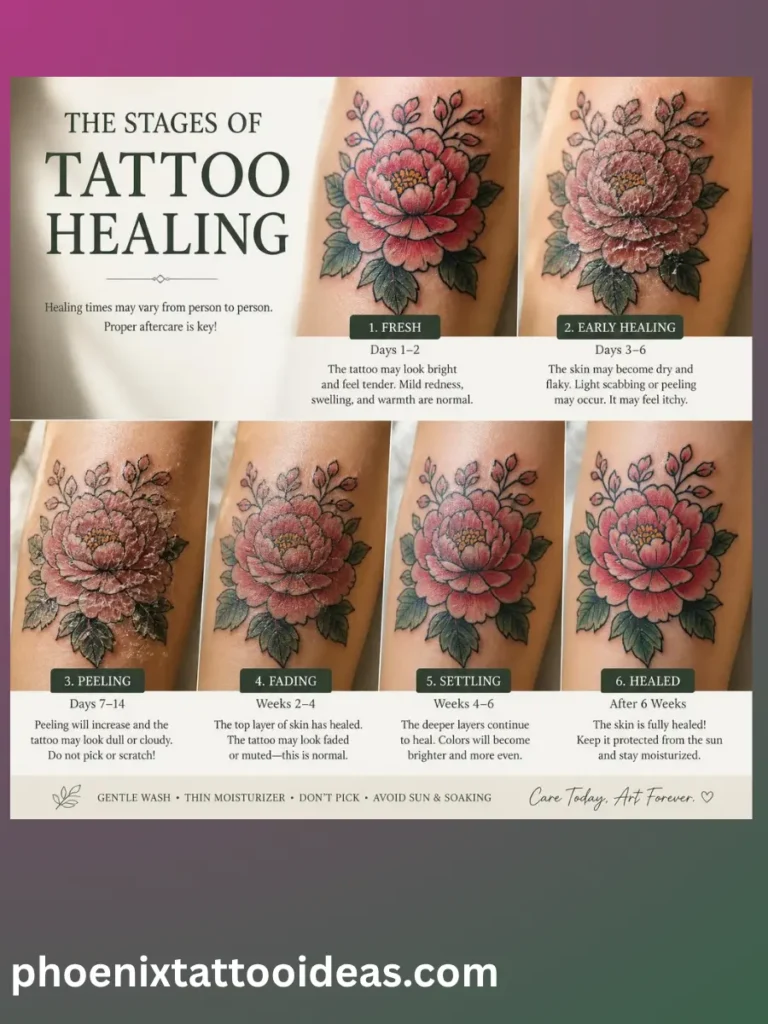
Days 1–3 (Fresh Tattoo)
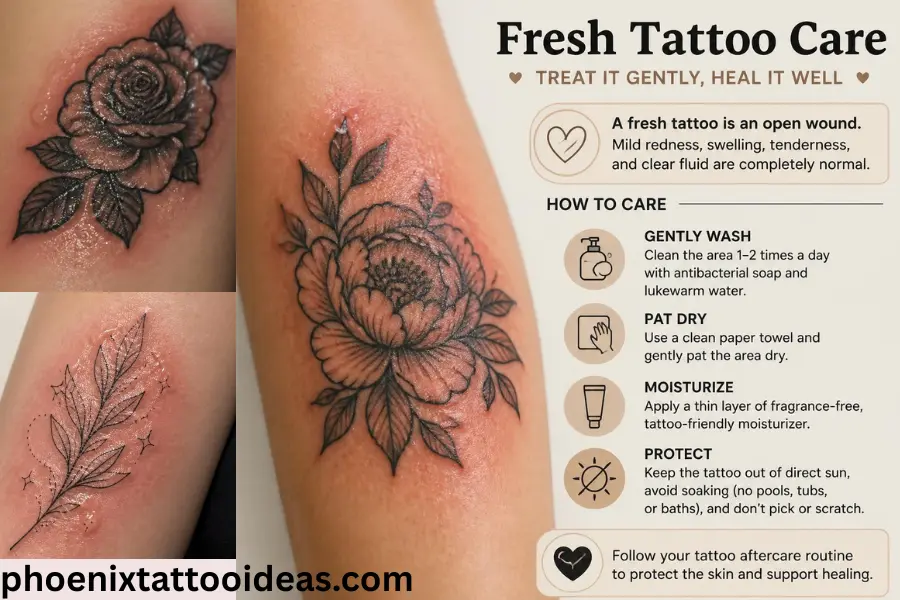
A fresh tattoo is an open wound, so mild redness, swelling, tenderness, and clear fluid are completely normal. Gently wash the area with antibacterial soap and follow your tattoo aftercare routine to protect the skin.
Days 4–7 (Scabbing Begins)
Light tattoo scabbing and dryness may develop as your skin starts repairing itself. Avoid picking at scabs because doing so can damage the tattoo ink and slow the tattoo healing process.
Week 2 (Peeling & Itching)
During the second week, tattoo peeling, flaking, and itching are common signs of healthy skin healing. Apply a fragrance-free moisturizer to reduce dryness while allowing your tattoo to recover naturally.
Weeks 3–4 (Outer Skin Healed)
The outer layer of skin usually looks healed, but deeper tissues are still recovering. Continue proper tattoo care, avoid excessive sun exposure, and keep the area moisturized.
Months 2–6 (Deep Skin Recovery)
Although your tattoo may appear finished, complete deep skin healing can take up to six months. Consistent tattoo aftercare, hydration, and sun protection help preserve vibrant ink and support long-term tattoo recovery.
What Is Normal During Tattoo Healing?
Knowing what is normal during tattoo healing can help you avoid unnecessary worry while your skin recovers. Every person’s tattoo healing process is slightly different, but most people experience similar symptoms as their tattoo moves through the natural tattoo healing stages. If you’re wondering what should a healing tattoo look like or is my tattoo healing properly, the following signs are usually part of healthy healing.
Peeling
Tattoo peeling typically begins around the end of the first week and may continue into the second week. As your skin renews itself, thin flakes of dead skin naturally shed away. This is a normal part of the tattoo healing timeline and does not mean your tattoo is losing ink. Avoid pulling or picking at peeling skin, as this can interfere with the tattoo healing process and affect the final appearance of your tattoo.
Flaking
Light flaking is another common sign of healthy skin healing. A healing tattoo may look dry or slightly dull while the outer layer of skin regenerates. Continue following your tattoo aftercare routine by applying a fragrance-free moisturizer to keep the skin comfortable without over-moisturizing.
Mild Redness
Mild redness around a fresh tattoo is expected during the first few days. The redness should gradually fade as the skin repairs itself. However, if redness becomes darker, spreads beyond the tattoo, or is accompanied by increasing pain, it may no longer be part of a normal tattoo healing time.
Clear Fluid
Many people ask, “Is it normal for a new tattoo to leak clear fluid?” The answer is yes. During the first 24 to 48 hours, a small amount of clear plasma mixed with tiny traces of ink may appear. This is your body’s natural response to a healing wound and usually stops within a couple of days.
Tight Skin
As your tattoo begins to heal, the skin may feel tight, especially after washing. This sensation is common because the damaged skin is repairing itself. Keeping your healing tattoo clean and properly moisturized can help reduce discomfort while supporting healthy skin regeneration.
Itching
Many people wonder, “How long does tattoo itching last?” Mild to moderate itching usually starts during the peeling stage and is one of the most common signs of recovery. Resist the urge to scratch, as scratching can damage the skin and slow how long it takes for a tattoo to heal. Instead, gently moisturize the area and allow your tattoo to heal naturally.
Signs Your Tattoo Is NOT Healing Properly
Most tattoos heal without complications when you follow proper tattoo aftercare, but it’s important to recognize when something isn’t right. While mild redness, peeling, and itching are normal during the tattoo healing process, certain symptoms may indicate that your tattoo is not healing as expected. If you’re wondering “is my tattoo healing properly?” or looking for signs a tattoo isn’t healing properly, pay attention to the following warning signs.
Infection Symptoms
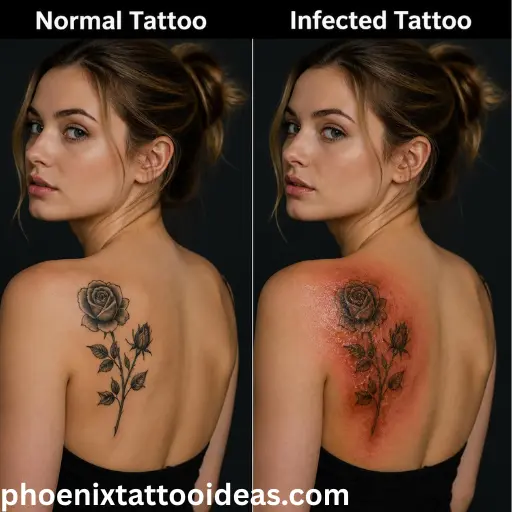
A tattoo infection is different from normal healing. If you notice increasing redness that spreads beyond the tattoo, severe swelling, throbbing pain, yellow or green pus, a foul odor, or develop a fever, these may be tattoo infection symptoms. Unlike normal irritation, these signs usually become worse instead of improving. Prompt medical treatment can help prevent serious complications and protect your tattoo.
Allergic Reactions
Although uncommon, some people experience an allergic reaction to tattoo ink, especially colored pigments such as red, yellow, or blue. Symptoms may include a persistent itchy rash, raised bumps, blistering, or swelling that lasts much longer than the expected tattoo healing time. If these symptoms continue or become more severe, seek medical advice.
Excessive Scabbing
Light tattoo scabbing is a normal part of the tattoo healing stages, but thick, hard, or deep scabs covering large areas are not. Excessive scabbing may result from poor aftercare, excessive dryness, irritation, or an underlying infection. Never pick or peel heavy scabs, as doing so can delay the tattoo healing process and increase the risk of scarring.
Ink Loss
Some fading is normal as dead skin naturally peels away, but significant ink loss, patchy areas, or missing color after the skin has healed may indicate improper healing. Picking scabs, scratching, infection, or poor aftercare can cause pigment to lift from the skin. Following your tattoo artist’s instructions and keeping the area clean and moisturized helps preserve the final result.
When to See a Doctor
You should contact a healthcare professional if your tattoo shows signs of infection, severe swelling, worsening pain after several days, persistent bleeding, spreading redness, pus, red streaks, or if you develop a fever. These symptoms are not part of a normal tattoo healing timeline and require medical evaluation. Seeking treatment early can protect both your health and the appearance of your tattoo while ensuring a safe tattoo recovery.
Factors That Affect Tattoo Healing Time
If you’re wondering how long does it take for a tattoo to heal, the answer depends on more than just time. Every person’s tattoo healing process is unique, and several factors can speed up or slow down tattoo healing time. Understanding these factors can help you support healthy skin healing and achieve the best possible results.
Tattoo Size
The size of your tattoo plays a major role in the tattoo healing timeline. Small tattoos usually heal faster because they involve less skin trauma, while large pieces, full sleeves, and back tattoos require more time for complete tattoo recovery. Larger tattoos also need extra care to prevent irritation and infection.
Tattoo Placement
Where your tattoo is located affects how quickly it heals. Tattoos on the hands, fingers, feet, elbows, knees, and ribs often take longer because these areas experience constant movement, friction, or slower circulation. Tattoos on the upper arm, thigh, or shoulder generally heal more easily due to reduced daily stress on the skin.
Ink Colors
Different ink colors may influence the tattoo healing process. Black and gray tattoos often heal more predictably, while brightly colored tattoos can sometimes cause slightly more irritation because they contain different pigments. This doesn’t mean color tattoos heal poorly—it simply means following proper tattoo aftercare is even more important.
Skin Type
Your natural skin type also affects tattoo healing stages. Oily skin may require lighter moisturizing, while dry or sensitive skin may need extra hydration to reduce peeling and itching. Keeping your healing tattoo clean and moisturized with a fragrance-free lotion supports healthy skin regeneration regardless of your skin type.
Immune System
A healthy immune system plays a vital role in wound healing. People with strong overall health often experience a smoother tattoo healing timeline, while certain medical conditions or medications that affect immunity may delay recovery. Eating nutritious foods, staying hydrated, and following your tattoo artist’s aftercare instructions can help your body heal efficiently.
Lifestyle Habits
Daily habits have a direct impact on how long does a tattoo take to heal completely. Drinking enough water, eating a balanced diet rich in protein and vitamins, protecting your tattoo from the sun, and avoiding unnecessary friction all contribute to faster tattoo recovery and better ink retention.
Sleep
Quality sleep is one of the most overlooked parts of the tattoo healing process. During sleep, your body repairs damaged tissues and produces new skin cells. Aim for seven to nine hours of restful sleep each night to support healthy healing and reduce inflammation.
Smoking
Smoking can slow skin healing by reducing blood flow and limiting the oxygen your skin needs to repair itself. As a result, smokers may experience a longer tattoo healing time and a higher risk of delayed recovery. Avoiding smoking during the healing period can improve both healing and the final appearance of your tattoo.
Alcohol
Drinking alcohol immediately before or after getting a tattoo may interfere with the early stages of healing. Alcohol can increase dehydration and may affect your body’s natural recovery process. Staying well-hydrated and limiting alcohol intake during the first few days can help your healing tattoo recover more effectively and support a smoother tattoo healing timeline.
Complete Tattoo Aftercare Routine
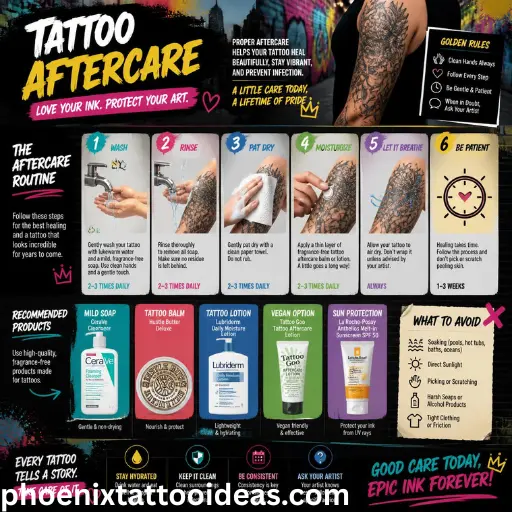
Following a proper tattoo aftercare routine is the best way to support the tattoo healing process, reduce the risk of infection, and keep your tattoo looking vibrant for years. If you’re wondering how to care for a healing tattoo or how to make a tattoo heal faster, these simple steps will help protect your skin during every stage of the tattoo healing timeline.
First 24 Hours
The first day is the most important part of tattoo aftercare. Keep the bandage on for the time recommended by your tattoo artist, then gently wash your fresh tattoo with lukewarm water and a mild antibacterial soap. Pat the area dry with a clean paper towel instead of rubbing it. Apply a thin layer of tattoo aftercare ointment or a fragrance-free moisturizer. Avoid touching the tattoo with dirty hands, soaking it in water, or exposing it to direct sunlight during this stage of tattoo healing.
First Week
During the first week, wash your healing tattoo two or three times a day using a gentle cleanser. Apply a light, fragrance-free moisturizer to prevent excessive dryness while allowing the skin to breathe. Mild redness, swelling, and tattoo scabbing are normal. Do not scratch, pick scabs, or wear tight clothing that rubs against the tattoo, as these can slow the tattoo healing process.
Second Week
By the second week, tattoo peeling, flaking, and itching usually become more noticeable. These are healthy signs of skin healing. Continue moisturizing regularly, but avoid over-applying lotion. Many people ask “How long does tattoo itching last?” Itching often improves as the peeling phase ends. Let the dead skin fall off naturally to protect the tattoo ink and ensure proper tattoo recovery.
First Month
Most tattoos look healed after three to four weeks, but the deeper layers of skin are still repairing. Continue your tattoo care routine by keeping the area clean, moisturized, and protected from direct sunlight. Avoid swimming, hot tubs, and excessive sun exposure until your tattoo is fully healed. This stage is essential for completing the visible tattoo healing stages and preserving sharp lines and vibrant colors.
Long-Term Tattoo Care
Even after your tattoo has completely healed, proper care helps maintain its appearance. Apply sunscreen with a high SPF whenever your tattoo is exposed to the sun, keep your skin hydrated, and moisturize regularly to prevent dryness. A healthy lifestyle, including good nutrition and adequate hydration, supports long-term skin health and keeps your tattoo looking bold. Following these long-term tattoo aftercare tips will help your artwork stay vibrant for many years while protecting your investment.
Daily Tattoo Healing Checklist
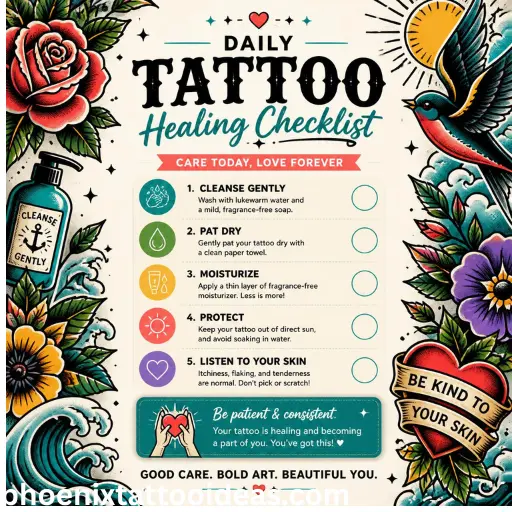
Following a consistent daily tattoo healing checklist can make a big difference in the tattoo healing process. A simple routine helps keep your healing tattoo clean, moisturized, and protected while reducing the risk of irritation or infection. If you’re wondering how to care for a healing tattoo or how to make a tattoo heal faster, use this easy schedule every day until your tattoo is fully healed.
Morning Routine
Start your day by washing your fresh tattoo with lukewarm water and a mild, fragrance-free antibacterial soap. Gently pat the area dry using a clean paper towel never rub the skin. Apply a thin layer of fragrance-free moisturizer or the aftercare product recommended by your tattoo artist. Before leaving the house, wear loose, breathable clothing to avoid friction, and once your tattoo is fully healed, protect it from UV rays with sunscreen.
Afternoon Care
Check your tattoo throughout the day for excessive dryness, irritation, or rubbing from clothing. If your skin feels tight or dry, apply a small amount of moisturizer to keep the healing tattoo hydrated. Avoid scratching if tattoo itching begins, and never pick at tattoo peeling or tattoo scabbing. Continue drinking plenty of water to support healthy skin healing from the inside.
Night Routine
Before going to bed, gently clean your tattoo if it has become sweaty or dirty during the day. Reapply a light layer of moisturizer to prevent overnight dryness. Sleep in loose-fitting clothing and avoid putting pressure directly on the tattoo whenever possible. Quality sleep is essential because your body repairs damaged skin during the night, helping shorten the overall tattoo healing time.
Weekly Care
Each week, take a few minutes to monitor your tattoo healing timeline. Mild peeling, flaking, and fading redness are normal signs that your tattoo is recovering. Continue following your tattoo aftercare routine, stay hydrated, eat a balanced diet, and avoid swimming, hot tubs, tanning beds, and prolonged sun exposure until the tattoo is fully healed. If you notice worsening pain, spreading redness, pus, or other tattoo infection symptoms, contact a healthcare professional promptly. Consistent care throughout every tattoo healing stage helps preserve vibrant ink and supports complete tattoo recovery.
Activities to Avoid During Healing
Knowing what to avoid during the tattoo healing process is just as important as following a proper tattoo aftercare routine. Even if your tattoo looks better after a couple of weeks, the deeper layers of skin are still recovering. Avoiding the following activities can help shorten tattoo healing time, reduce the risk of infection, and protect your tattoo’s color and detail.
Swimming
If you’re asking, “When can you swim after a tattoo?”, the safest answer is to wait until your tattoo is fully healed. Swimming pools, lakes, rivers, oceans, and even chlorinated water can introduce bacteria and soften healing skin, increasing the risk of tattoo infection. Most tattoo artists recommend waiting at least 2–4 weeks, or until all peeling and scabbing have completely stopped.
Gym
Light movement is usually fine, but intense gym workouts should be avoided during the first few days. Heavy sweating and repeated friction from exercise equipment or clothing can irritate a healing tattoo and slow the tattoo healing process. If you return to the gym, keep the tattoo clean and avoid direct contact with shared equipment.
Running
Running may cause excessive sweating and repeated stretching of the skin, especially if your tattoo is on the legs, feet, or torso. If you’re wondering “When can I exercise after getting a tattoo?”, it’s best to avoid high-impact activities until the tattoo has begun to heal and discomfort has decreased.
Sauna
Stay away from saunas and steam rooms while your tattoo is healing. Excessive heat and moisture can soften the skin, increase inflammation, and delay skin healing. Waiting until your tattoo healing timeline is complete helps prevent unnecessary irritation.
Beach
The beach combines two things a new tattoo doesn’t need—sand and sunlight. Sand can introduce bacteria into a fresh tattoo, while saltwater may irritate sensitive skin. Avoid spending time at the beach until your tattoo is fully healed.
Hot Tub
Hot tubs should also be avoided because warm water encourages bacteria to grow and can soften scabs before they’re ready to fall off naturally. This may increase the risk of infection and interfere with healthy tattoo recovery.
Sun Exposure
Direct sunlight is one of the biggest enemies of a healing tattoo. UV rays can fade tattoo ink, irritate damaged skin, and prolong tattoo healing time. Keep your tattoo covered with loose clothing while it heals. Once fully healed, apply a broad-spectrum SPF 30 or higher sunscreen whenever the tattoo is exposed to the sun.
Shaving
Never shave over a fresh tattoo until the skin has completely healed. Shaving too early can remove peeling skin, reopen tiny wounds, and introduce bacteria. Wait until all tattoo peeling, scabbing, and irritation have disappeared before using a razor on the area.
Tight Clothing
Tight clothing can rub against your tattoo, trap sweat, and slow the tattoo healing process. Wear loose, breathable fabrics during the first few weeks to minimize friction and allow the skin to heal comfortably.
Pet Hair
Although pets are part of the family, keep them away from your healing tattoo whenever possible. Pet hair, dirt, and bacteria can increase the risk of contamination, especially during the first week of healing. Always wash your hands after handling pets before touching your tattoo.
Sleeping Position
Your sleeping position can affect how long does a tattoo take to heal completely. Try not to sleep directly on a new tattoo, as constant pressure and friction may cause irritation and stick the tattoo to your bedding. Use clean bed sheets, wear loose clothing, and sleep in a position that keeps the tattoo uncovered whenever possible. Good sleep also supports your body’s natural skin healing and tattoo recovery.
Tattoo Healing by Body Location
One of the biggest factors affecting tattoo healing time is where your tattoo is placed. Some areas of the body heal faster because they experience less movement and friction, while others require extra care due to constant use, thinner skin, or frequent contact with clothing. If you’re wondering how long does a tattoo take to heal completely, understanding how different body locations heal can help you set realistic expectations and follow the right tattoo aftercare routine.
Finger Tattoos
Finger tattoo healing can take longer than expected because your hands are constantly moving, washing, and touching different surfaces. Frequent friction and exposure to water may slow the tattoo healing process and increase fading. Keep finger tattoos clean, moisturized, and avoid unnecessary handwashing whenever possible during the first few weeks.
Hand Tattoos
Hand tattoo healing is often more challenging than tattoos on other body parts. Your hands are exposed to sunlight, soap, and daily activities that can irritate a healing tattoo. Wearing protective gloves only when necessary and following a consistent tattoo aftercare routine can help improve healing and ink retention.
Foot Tattoos
Foot tattoo healing usually takes longer because feet experience constant pressure from walking and are often confined inside shoes. Wear comfortable, breathable footwear and avoid long walks or intense exercise until the tattoo healing timeline has progressed. Keeping the area dry and reducing friction helps prevent irritation.
Rib Tattoos
Rib tattoo healing can feel uncomfortable because the skin stretches every time you breathe, laugh, or move. Tight clothing may also rub against the tattoo, causing additional irritation. Loose-fitting clothing and gentle tattoo care can make the healing process more comfortable while protecting the tattoo from unnecessary friction.
Neck Tattoos
Neck tattoo healing requires extra attention because the area is regularly exposed to sunlight, sweat, and shirt collars. Avoid direct sun exposure during the tattoo healing stages, keep the area clean, and wear soft clothing that won’t rub against the tattoo. Once healed, sunscreen helps prevent fading.
Elbow Tattoos
Elbow tattoo healing often takes more time because the skin bends and stretches throughout the day. Constant movement may lead to increased peeling or scabbing if the area becomes too dry. Moisturize regularly and avoid leaning on your elbow whenever possible to support healthy skin healing.
Knee Tattoos
Like elbows, knee tattoo healing can be slower due to frequent bending and pressure. Activities such as running, squatting, or kneeling may irritate the tattoo during the early tattoo healing process. Limiting strenuous movement and following proper tattoo aftercare can help the area recover more comfortably.
Back Tattoos
Back tattoo healing is generally smoother because the skin experiences less daily movement than the hands or feet. However, sleeping on your back, carrying heavy backpacks, or wearing tight clothing can create friction and delay tattoo recovery. Keep your bedding clean, wear loose clothing, and avoid prolonged pressure on the tattoo until it is fully healed.
No matter where your tattoo is located, patience and consistent tattoo care are essential. Following your tattoo artist’s instructions, protecting your skin from irritation, and maintaining a healthy lifestyle will support a faster tattoo healing timeline and help preserve the beauty of your new ink.
Tattoo Healing by Tattoo Type
Not all tattoos heal the same way. The tattoo healing time can vary depending on the tattoo style, the amount of ink used, shading, and the depth of the artist’s work. If you’re wondering how long does a tattoo take to heal completely, understanding how different tattoo types heal will help you follow the right tattoo aftercare routine and set realistic expectations during the tattoo healing process.

Fine Line Tattoos
Fine line tattoo healing is often quicker than heavily shaded tattoos because less ink is deposited into the skin. Most fine line tattoos complete the visible tattoo healing stages within 2 to 4 weeks, although the deeper layers of skin still require additional time to recover. Proper moisturizing and gentle tattoo care help preserve crisp, clean lines.
Traditional Tattoos
Traditional tattoo healing usually follows the standard tattoo healing timeline of 2 to 4 weeks for the surface skin and up to 2 to 6 months for complete healing. Since traditional tattoos often feature bold outlines and solid color packing, following a consistent tattoo aftercare routine is essential for maintaining sharp details and vibrant colors.
Blackwork Tattoos
Blackwork tattoo healing may take slightly longer because these designs often contain large areas of solid black ink. The skin experiences more trauma during the tattooing process, which can lead to increased peeling and tattoo scabbing. Keeping the tattoo clean, hydrated, and protected from friction supports healthy skin healing and helps the black ink remain rich and even.
Realism Tattoos
Realism tattoo healing requires extra attention because these tattoos rely on delicate shading, gradients, and fine details. Picking scabs or scratching itchy skin can affect the smooth transitions that make realism tattoos stand out. Follow proper tattoo aftercare and avoid direct sunlight during the tattoo healing process to preserve the artwork.
Color Tattoos
Many people ask whether color tattoos heal differently than black ink tattoos. While the overall tattoo healing time is similar, some bright pigments may cause slightly more skin sensitivity during the first few days. A fragrance-free moisturizer, proper hydration, and avoiding excessive sun exposure help protect color saturation and support complete tattoo recovery.
Watercolor Tattoos
Watercolor tattoo healing requires gentle care because these tattoos use soft color blends without strong outlines. Excessive scabbing, scratching, or poor aftercare may affect the smooth appearance of the design. Following your tattoo artist’s instructions and maintaining healthy skin healing habits help preserve the tattoo’s vibrant look.
Sleeve Tattoos
A sleeve tattoo covers a large area of skin, so sleeve tattoo healing generally takes longer than smaller tattoos. Swelling, tightness, peeling, and itching may last longer because more skin has been tattooed. Wearing loose clothing, staying hydrated, and following a complete tattoo aftercare routine are important for supporting the extended tattoo healing timeline.
Cover-up Tattoos
Cover-up tattoo healing can sometimes be more demanding because the artist often works over existing ink using heavier shading and multiple ink layers. This may increase tenderness and extend the tattoo healing process slightly. Avoid picking at peeling skin and give the tattoo enough time to recover before judging the final results.
Touch-up Tattoos
A tattoo touch-up usually heals faster than a brand-new tattoo because only selected areas are reworked. Even so, the treated skin still needs proper tattoo care to prevent irritation and protect fresh ink. Continue following your tattoo aftercare routine until all redness, peeling, and sensitivity have disappeared.
No matter what style you choose, patience is key. Consistent tattoo aftercare, healthy lifestyle habits, and protecting your tattoo from unnecessary irritation will help ensure a smooth tattoo healing timeline while keeping your tattoo looking bold, detailed, and vibrant for years to come.
Common Tattoo Healing Mistakes
Even with the best intentions, small mistakes can slow the tattoo healing process, increase the risk of infection, and affect the final appearance of your tattoo. If you’re wondering how to make a tattoo heal faster or how to care for a healing tattoo, avoiding these common errors is just as important as following a proper tattoo aftercare routine. Here are the mistakes tattoo artists most often see during the tattoo healing timeline.
Picking Scabs
Light tattoo scabbing is a normal part of the tattoo healing stages, but picking or peeling scabs before they fall off naturally can pull ink from the skin, cause uneven healing, and even leave permanent scars. If your tattoo is itchy, gently moisturize the area instead of scratching or picking at it.
Overwashing
Keeping your healing tattoo clean is important, but washing it too often can strip away your skin’s natural moisture and cause unnecessary dryness and irritation. Wash your tattoo only 2 to 3 times a day with lukewarm water and a mild, fragrance-free antibacterial soap. After washing, gently pat the area dry with a clean paper towel instead of rubbing it.
Over-Moisturizing
Applying moisturizer helps reduce dryness, but using too much can prevent your skin from breathing properly. A thick layer of lotion may trap excess moisture, increasing the chance of irritation and delaying skin healing. Apply only a thin layer of fragrance-free moisturizer whenever your tattoo feels dry.
Using Petroleum Jelly Incorrectly
Many people believe petroleum jelly speeds up healing, but using it incorrectly can create problems. Thick petroleum-based products may trap heat and moisture around a fresh tattoo, making it harder for the skin to breathe during the early tattoo healing process. Unless your tattoo artist specifically recommends it, choose a lightweight tattoo aftercare product or a fragrance-free moisturizer designed for healing skin.
Using Scented Lotion
Lotions that contain perfumes, dyes, or harsh chemicals can irritate sensitive skin and trigger redness or itching during the tattoo healing timeline. To support healthy tattoo recovery, always use a fragrance-free moisturizer that is gentle enough for healing skin.
Swimming Too Soon
One of the biggest mistakes is getting your tattoo wet in pools, lakes, rivers, oceans, or hot tubs before it has fully healed. Many people ask, “When can you swim after a tattoo?” The safest approach is to wait until all peeling, scabbing, and open areas have completely healed. Swimming too early increases the risk of tattoo infection and may affect ink retention.
Ignoring Artist Instructions
Every tattoo is unique, and your tattoo artist understands how your specific design should heal. Ignoring their aftercare advice can extend tattoo healing time and increase the risk of complications. Follow the recommended cleaning routine, moisturizer schedule, and activity restrictions throughout the entire tattoo healing process. Consistent tattoo care is the key to achieving a healthy recovery and preserving the sharp lines, vibrant colors, and fine details of your new tattoo.
Frequently Asked Questions how long does it take for a tattoo to heal
1. how long does it take for a tattoo to heal completely?
Most tattoos appear healed within 2 to 4 weeks, but the deeper layers of skin usually take 2 to 6 months to fully heal. The exact tattoo healing time depends on factors such as tattoo size, placement, skin type, overall health, and how well you follow your tattoo aftercare routine.
2. What are the tattoo healing stages?
The tattoo healing stages include:
- Days 1–3: Redness, swelling, and slight oozing.
- Days 4–7: Light scabbing begins.
- Week 2: Peeling, flaking, and itching.
- Weeks 3–4: The outer skin appears healed.
- Months 2–6: The deeper layers of skin continue repairing.
3. Is tattoo peeling normal?
Yes. Tattoo peeling is a natural part of the tattoo healing process and usually starts around the end of the first week. Let the peeling skin fall off naturally and avoid picking at it.
4. How long does tattoo itching last?
Mild itching often begins during the peeling stage and may last for several days to two weeks. Keeping your healing tattoo moisturized with a fragrance-free lotion can help relieve itching.
5. When can I swim after getting a tattoo?
Avoid swimming in pools, lakes, rivers, oceans, and hot tubs until your tattoo has fully healed. In most cases, this means waiting at least 2 to 4 weeks or until all peeling and scabbing have completely stopped.
6. Can I work out after getting a tattoo?
Light activity is generally fine after the first day, but intense workouts that cause heavy sweating or friction should be avoided for several days. If your tattoo is on a joint or an area that stretches frequently, you may need additional healing time.
7. How often should I wash a new tattoo?
Wash your fresh tattoo 2 to 3 times a day using lukewarm water and a mild, fragrance-free antibacterial soap. Pat it dry gently before applying a thin layer of moisturizer.
8. How often should I moisturize a healing tattoo?
Apply a thin layer of fragrance-free moisturizer 2 to 3 times daily or whenever your tattoo feels dry. Avoid over-moisturizing, as too much lotion can slow the tattoo healing process.
9. Is tattoo scabbing normal?
Yes. Light tattoo scabbing is a normal part of healing. However, thick, painful, or excessive scabbing may indicate irritation or improper aftercare. Never pick at scabs, as this can affect the final appearance of your tattoo.
10. How do I know if my tattoo is infected?
Common tattoo infection symptoms include spreading redness, severe swelling, increasing pain, yellow or green pus, a foul odor, and fever. If you notice these signs, seek medical attention as soon as possible.
11. Can I expose my tattoo to the sun while it’s healing?
No. Direct sunlight can slow skin healing, irritate the tattoo, and cause fading. Keep your tattoo covered during the healing period. After it has fully healed, use a broad-spectrum sunscreen with SPF 30 or higher to protect the ink.
12. What should a healing tattoo look like?
A healthy healing tattoo may appear slightly red, dry, flaky, or itchy during the first few weeks. Mild peeling and light scabbing are normal. If symptoms worsen instead of improving, consult a healthcare professional.
13. Can smoking or alcohol affect tattoo healing?
Yes. Smoking may reduce blood flow and slow skin healing, while excessive alcohol can contribute to dehydration during the early stages of recovery. Staying hydrated and maintaining healthy lifestyle habits can support a smoother tattoo healing timeline.
14. What is the fastest way to help a tattoo heal?
The best way to support tattoo recovery is to follow your tattoo artist’s aftercare instructions, wash the tattoo gently, apply a fragrance-free moisturizer, avoid scratching or picking, stay hydrated, eat a balanced diet, and protect the tattoo from sun exposure and swimming until it is fully healed.
15. Will my tattoo look dull while it’s healing?
Yes. It’s common for a tattoo to appear cloudy or dull during the tattoo healing process because a thin layer of healing skin covers the ink. Once the skin has fully recovered, the tattoo’s colors and details become more vibrant.
Final Verdict
So, how long does it take for a tattoo to heal? For most people, the outer layer of a tattoo heals within 2 to 4 weeks, but complete tattoo healing beneath the skin typically takes 2 to 6 months. The exact tattoo healing time depends on several factors, including the tattoo’s size, placement, ink colors, your skin type, overall health, and how carefully you follow your tattoo aftercare routine.
Throughout the tattoo healing process, it’s normal to experience mild redness, peeling, flaking, itching, and light scabbing. These are all part of the natural tattoo healing stages as your skin repairs itself. However, symptoms such as severe pain, spreading redness, pus, excessive swelling, or fever may indicate an infection and should be evaluated by a healthcare professional as soon as possible.
The best way to ensure a smooth tattoo recovery is to keep your tattoo clean, apply a fragrance-free moisturizer, stay hydrated, avoid swimming and direct sun exposure, and never pick at peeling skin or scabs. Following your tattoo artist’s instructions and maintaining healthy daily habits will not only support faster skin healing but also help preserve the sharp lines, vibrant colors, and fine details of your tattoo.
With proper care and a little patience, your tattoo will heal beautifully and remain a lasting piece of art you can enjoy for many years.
For more Phoenix Bird Tattoo Meaning: Symbolism, Spiritual Meaning & Design Guide 2026
hello phoenix
How Long Does a Tattoo Take to Heal?
A new tattoo typically takes about 2–4 weeks for the surface of the skin to heal, although deeper layers of skin can continue healing for several weeks or longer. Healing time varies depending on the tattoo’s size, placement, amount of shading/color, and your individual skin.
The 9 Healing Stages
Fresh tattoo — first few hours
The tattoo may look bright and slightly swollen. Mild redness, tenderness, and a small amount of clear fluid or ink leakage can be normal.
Oozing — first 1–2 days
Your tattoo may release a mixture of plasma, blood, and excess ink. Keep it clean and follow your artist’s instructions for the dressing.
F
FYI
Redness and soreness — days 1–3
Mild redness, swelling, and soreness should gradually improve rather than become worse.
Drying — days 3–7
The skin may become dry or tight as the healing process continues.
Itching — roughly days 4–14
Itching is common. Don’t scratch or pick the tattoo, as this can interfere with healing.
Peeling — around days 5–14
Flaking or peeling skin can look alarming, but it can be a normal part of healing. Allow the skin to shed naturally.
A
American Academy of Dermatology
Scabbing — during the first few weeks
Small scabs can develop. Don’t pull them off because doing so can damage healing skin and potentially affect the tattoo.
Cloudy or dull appearance — weeks 2–4
The tattoo can temporarily look less vibrant while the new layer of skin develops over it.
Settling — around 4+ weeks
The tattoo generally looks more settled once the surface has healed. Deeper skin healing can continue beyond this point.
Tattoo Aftercare Tips
Wash your hands before touching the tattoo.
Gently clean the tattoo according to your artist’s instructions, using appropriate mild/fragrance-free products.
Pat it dry rather than rubbing it.
Use a thin layer of moisturizer when the skin becomes dry; the American Academy of Dermatology recommends a water-based lotion or cream for dry tattooed skin.
A
American Academy of Dermatology
Don’t scratch, pick, or peel flakes and scabs.
Avoid unnecessary friction or irritation while it’s healing.
Follow the specific instructions given by your tattoo artist, especially regarding how long to keep a dressing on.
F
FYI
Once healed, protect the tattoo from UV exposure with broad-spectrum, water-resistant SPF 30+ sunscreen to help prevent fading.
A
American Academy of Dermatology
What’s Normal vs. What’s Not?
Usually normal: mild redness, swelling, soreness, itching, peeling, scabbing, and a small amount of clear fluid during early healing.
A
American Academy of Dermatology
Get medical advice promptly if: redness spreads or becomes darker, pain gets worse instead of better, significant swelling develops, pus appears, or you develop fever or chills. These can indicate infection.
A
American Academy of Dermatology
+1
Bottom line: expect roughly 2–4 weeks for the visible surface healing, but don’t worry if the tattoo continues to settle beyond that. If it is becoming progressively more painful, red, swollen, or producing pus rather than improving, that’s not typical healing and should be evaluated.