
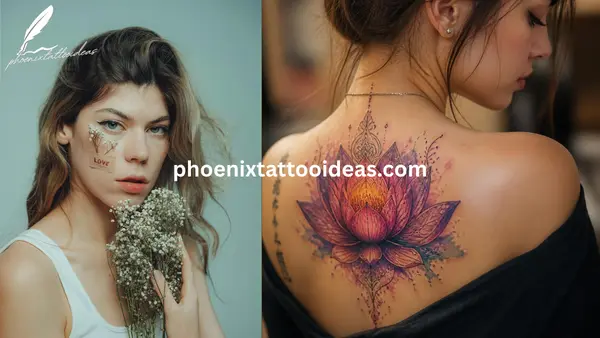
The lotus flower tattoo meaning is commonly associated with rebirth, resilience, transformation, purity, spiritual awakening, and personal growth. The lotus grows from muddy water before rising above the surface and blooming, making it a powerful symbol of overcoming hardship and moving toward a new beginning. However, a lotus tattoo meaning is not universal. Its symbolism can change depending on culture, color, design, spiritual beliefs, and the personal story of the person wearing it.
In this guide, we explore lotus tattoo symbolism from different perspectives, including its spiritual meaning, cultural significance, color symbolism, popular designs, and placement. You’ll also learn about the lotus flower symbolism behind different styles and combinations, helping you understand how a spiritual lotus tattoo can reflect your own journey, values, or life experiences.
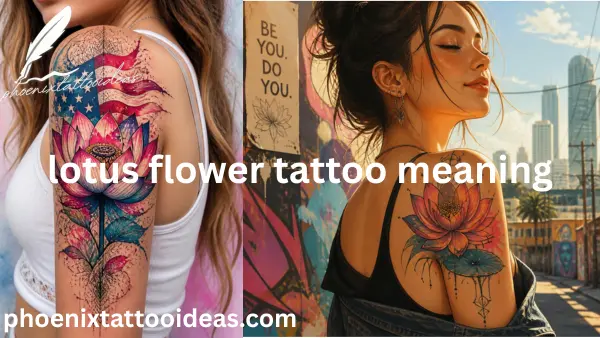
Table of Contents
What Does a Lotus Flower Tattoo Mean?
A lotus flower tattoo commonly symbolizes rebirth, resilience, transformation, purity, spiritual awakening, and personal growth. The lotus grows through muddy water before rising to the surface and blooming, making it a powerful symbol of overcoming hardship and beginning again. For many people, a lotus tattoo meaning can represent a difficult chapter they have survived, a new beginning, or a journey toward inner peace and self-discovery. Its meaning can also change depending on the color, design, culture, and personal story behind the tattoo.
The most common lotus tattoo symbolism includes:
- Rebirth: Starting a new chapter in life.
- Transformation: Growing through challenges and change.
- Resilience: Remaining strong through adversity.
- Purity: Representing clarity or spiritual purity.
- Spiritual awakening: Seeking deeper awareness and understanding.
- Enlightenment: Symbolizing wisdom and spiritual growth.
- Personal growth: Reflecting lessons learned through life.
- Healing: Marking recovery or emotional renewal.
- Inner peace: Representing calm, balance, and acceptance.
- New beginnings: A reminder that difficult periods can lead to renewal.
Why Does the Lotus Symbolize Transformation?
The lotus flower tattoo meaning is strongly connected to transformation because of the Language of flowers remarkable journey from muddy water to a beautiful bloom. Its natural growth provides a simple but powerful metaphor for personal growth, resilience, rebirth, and overcoming adversity. A lotus tattoo can therefore represent becoming stronger after difficult experiences and moving into a new chapter of life.
The Lotus Life Cycle Explained
A lotus begins its growth beneath the water, rooted in mud and sediment. Its stem gradually rises through the water until the flower reaches the surface and opens. This journey is often connected with lotus tattoo symbolism, especially the idea of rising above hardship.
The mud represents challenges, the journey upward can represent personal transformation, and the blooming flower can symbolize renewal, healing, and new beginnings. While this is a symbolic interpretation rather than a literal rule, it explains why the lotus has such lasting meaning.
The Psychology Behind Lotus Symbolism
People naturally connect with the lotus because its growth mirrors identity change, resilience, emotional healing, and self-discovery. A lotus tattoo can serve as a personal reminder that difficult experiences do not have to define your future. For someone starting over, the flower can represent hope, inner strength, spiritual growth, and transformation.
Spiritual Meaning of Lotus Tattoos
What does a lotus tattoo mean spiritually? A lotus tattoo commonly represents spiritual awakening, enlightenment, purity of mind, rebirth, inner peace, and personal growth. Because the lotus rises from muddy water and blooms above the surface, it is often viewed as a symbol of overcoming challenges and moving toward greater awareness.
Spiritual Awakening
A lotus tattoo can symbolize awakening, self-discovery, and a deeper understanding of life.
Enlightenment
The lotus flower symbolism is closely associated with enlightenment in Buddhist traditions, representing a journey toward wisdom and clarity.
Purity of Mind
A lotus can represent mental clarity, purity, and a peaceful state of mind, even when life feels difficult.
Rebirth and Renewal
For many people, the lotus tattoo meaning reflects starting again, personal transformation, and new beginnings.
Inner Peace
A lotus tattoo may serve as a reminder to remain calm, balanced, and grounded.
Non-Attachment
In spiritual interpretations, the lotus can represent letting go and not allowing worldly difficulties to control the mind.
Personal Consciousness
Ultimately, a lotus tattoo can symbolize self-awareness, spiritual growth, and personal consciousness. Its meaning depends on the wearer’s beliefs and life story.
Lotus Tattoo Meaning in Hinduism
In Hinduism, the lotus is a powerful symbol of purity, spiritual growth, creation, and divine consciousness. The flower appears in Hindu religious art, stories, and symbolism and is associated with several important deities. For this reason, a lotus tattoo meaning in Hinduism can reflect spiritual awakening, personal growth, inner strength, and the desire to rise above life’s difficulties.
Lotus and Divine Purity
The lotus grows from muddy water yet blooms beautifully above it. In Hindu symbolism, this can represent purity and spiritual growth while living in a complex world.
Lakshmi and the Lotus
Lakshmi, the goddess associated with prosperity and abundance, is often depicted with lotus flowers. A lotus can therefore symbolize beauty, prosperity, purity, and spiritual well-being.
Brahma and the Lotus
Brahma, associated with creation, is traditionally connected with a lotus. This symbolism can represent creation, birth, and the beginning of a new cycle.
Vishnu and Lotus Symbolism
Vishnu is also closely connected with the lotus in Hindu imagery. The flower may symbolize divine beauty, purity, cosmic order, and spiritual consciousness.
Lotus and the Chakras
The lotus is widely used to represent the chakras, with petals symbolizing different aspects of spiritual energy and consciousness.
The Thousand-Petaled Lotus
The Sahasrara, or crown chakra, is traditionally represented by a thousand-petaled lotus. It is associated with higher consciousness and spiritual realization.
Saraswati is also frequently associated with lotus imagery, linking the flower with wisdom, learning, and spiritual knowledge. Overall, a Hindu lotus tattoo can carry deeply personal meaning, but sacred symbols should be understood and used respectfully.
Lotus Tattoo Meaning in Buddhism
The lotus flower tattoo meaning in Buddhism is often connected with purity, spiritual growth, wisdom, compassion, and enlightenment. The flower’s journey from muddy water to an open bloom provides a powerful image of the path toward awakening. However, Buddhist traditions differ across regions and schools, so a Buddhist lotus tattoo should not be assigned one universal meaning.
Lotus and Enlightenment
The lotus is commonly associated with enlightenment, representing the journey from ignorance toward wisdom and awakening. It can also symbolize the path toward Nirvana, although the exact interpretation depends on Buddhist context.
Lotus and Purity
Because the lotus can emerge clean from muddy surroundings, it is often used as an image of purity of mind and spiritual development.
Lotus in Buddhist Art
Lotus flowers appear throughout Buddhist art, including depictions of the Buddha, sacred imagery, and the lotus throne. The flower can also appear in representations connected with the Dharma, the Buddhist teachings.
Lotus Colors in Buddhist Tradition
Lotus colors can carry different associations in Buddhist traditions. White, pink, blue, red, and other lotus colors may have distinct meanings depending on the tradition and artwork, so they should not be treated as having one fixed interpretation everywhere.
Lotus Petals and Symbolism
Lotus petals can represent stages or aspects of spiritual development in particular Buddhist contexts. The Padmasana, or lotus position, is also strongly associated with meditation. The lotus is additionally connected with the Ashtamangala, or Eight Auspicious Symbols, in some Buddhist traditions and artistic contexts.
For a tattoo, the lotus can therefore represent a personal commitment to mindfulness, spiritual growth, compassion, or awakening, but the meaning should be considered alongside the specific Buddhist tradition and symbols used.
Lotus Symbolism in Ancient Egypt and Other Cultures
The lotus flower has carried symbolic meaning across several cultures, but its interpretation is not identical everywhere. A lotus tattoo meaning may represent rebirth, purity, beauty, wisdom, or spiritual growth depending on the cultural context. Understanding these differences helps you use lotus flower symbolism accurately instead of treating one interpretation as universal.
Ancient Egyptian Lotus Symbolism
In ancient Egyptian symbolism, the blue lotus or water lily was associated with creation, renewal, the sun, and rebirth. The flower’s daily opening and closing contributed to these associations. Egyptian lotus imagery appeared in art and religious contexts, making it different from modern tattoo interpretations of the flower.
Chinese Lotus Symbolism
In Chinese culture, the lotus is commonly associated with purity, harmony, beauty, and moral integrity. Because it rises from muddy water while remaining visually clean, the lotus flower meaning can suggest maintaining virtue despite difficult circumstances.
Japanese Lotus Symbolism
In Japanese Buddhist art and symbolism, the lotus is strongly connected with purity, spiritual development, and enlightenment. Lotus imagery can appear alongside Buddhist figures and sacred compositions, making cultural context important when designing a Japanese lotus tattoo.
How Different Cultures Interpret the Lotus
Although rebirth, purity, and spiritual growth appear repeatedly in lotus symbolism, the emphasis changes between cultures and traditions. A lotus tattoo inspired by Buddhism should not automatically be given the same meaning as an Egyptian, Chinese, or Japanese-inspired design. Your lotus tattoo symbolism can also become personal, combining traditional associations with your own experiences, beliefs, and intentions.
Lotus Tattoo Meaning by Color
The lotus tattoo meaning by color can vary depending on cultural tradition, religious context, and personal interpretation. A white lotus tattoo may suggest purity and spiritual clarity, while a pink lotus can have sacred associations in Buddhist contexts. Blue, red, purple, and black lotus tattoos can also carry different meanings. These associations are not universal, so the lotus flower tattoo meaning should always be considered alongside the culture and design.
| Lotus Color | Common Associations | Context |
|---|---|---|
| White | Purity, clarity, spiritual awakening | Strong traditional associations |
| Pink | Devotion, sacred or spiritual significance | Important in Buddhist contexts |
| Blue | Wisdom, knowledge, spiritual understanding | Associations vary by tradition |
| Red | Love, compassion, emotional energy | Religious and modern interpretations vary |
| Purple | Mysticism, spirituality, imagination | Often linked with modern or esoteric interpretations |
| Black | Strength, mystery, overcoming darkness | Primarily a modern tattoo interpretation |
White Lotus Tattoo Meaning
A white lotus tattoo is commonly associated with purity, clarity, peace, and spiritual awakening. It can represent a desire for inner balance or a fresh beginning.
Pink Lotus Tattoo Meaning
A pink lotus tattoo can carry sacred and devotional associations, particularly within Buddhist imagery. In modern tattoo culture, it may also represent love, beauty, or spiritual connection.
Blue Lotus Tattoo Meaning
A blue lotus tattoo meaning is often connected with wisdom, knowledge, and spiritual understanding. However, blue-flower symbolism differs across historical and religious traditions.
Red Lotus Tattoo Meaning
A red lotus tattoo may symbolize love, compassion, passion, and emotional strength. Its interpretation can change depending on whether the design is inspired by religious symbolism or modern tattoo art.
Purple Lotus Tattoo Meaning
A purple lotus tattoo is often associated with mysticism, spirituality, imagination, and deeper consciousness. These meanings are more interpretive than universally established.
Black Lotus Tattoo Meaning
A black lotus tattoo commonly represents strength, mystery, resilience, or overcoming darkness in contemporary tattoo culture. Unlike some traditional lotus associations, the black lotus meaning is largely a modern artistic interpretation.
Ultimately, choosing a lotus tattoo color is both a symbolic and personal decision. The best color is the one that reflects the meaning, cultural context, and story you want your tattoo to communicate.
Does Lotus Petal Count Have Meaning?
The lotus flower tattoo meaning can sometimes be influenced by the number and arrangement of petals, especially when a design is inspired by Buddhist or Hindu symbolism. However, there is no universal rule that gives every lotus tattoo a fixed meaning based only on petal count. The cultural tradition, religious context, artwork, and personal intention all matter.
Eight-Petal Lotus
An eight-petal lotus can have symbolic importance in some Buddhist and Hindu contexts. The number eight may be connected with spiritual teachings, directions, or aspects of a sacred path, depending on the tradition. For a lotus tattoo, it can suggest balance, spiritual development, or a structured journey.
Thousand-Petal Lotus
The thousand-petaled lotus is strongly associated with the Sahasrara, or crown chakra, in Hindu and yogic traditions. It can represent higher consciousness, spiritual realization, and expanded awareness. This makes a thousand-petal lotus tattoo particularly meaningful for someone interested in spiritual growth.
Closed vs Open Lotus
An open lotus tattoo can represent awakening, enlightenment, or personal growth that has reached a new stage. A closed lotus may suggest potential, an unfolding journey, or growth that is still taking place.
Half-Open Lotus
A half-open lotus tattoo can visually represent transition. It may symbolize personal transformation, gradual healing, self-discovery, or a person still moving toward a new beginning.
Why Petal Count Shouldn’t Be Treated as Universal
Petal symbolism varies across religious traditions and artistic contexts. An eight-petal lotus does not automatically have the same meaning in every culture, just as an open or closed lotus does not have one universally accepted interpretation. For lotus tattoo symbolism, treat traditional meanings as context-specific and allow personal meaning to complete the story.
Lotus Tattoo Meaning by Design
The lotus tattoo meaning by design depends more on the symbolism you choose than the tattoo style itself. A lotus flower tattoo can represent rebirth, resilience, spiritual growth, purity, or personal transformation whether it is simple or highly detailed. Style mainly changes the tattoo’s visual character, while color, cultural context, additional symbols, and personal intention can add deeper meaning.
Minimalist Lotus Tattoo
A minimalist lotus tattoo uses simple lines and limited detail. It can represent simplicity, inner peace, personal growth, or a quiet reminder of a meaningful life change.
Fine-Line Lotus Tattoo
A fine-line lotus tattoo creates a delicate and refined appearance. It works well for small lotus tattoos and can symbolize elegance, spiritual growth, or a personal journey.
Realistic Lotus Tattoo
A realistic lotus tattoo focuses on natural petals, shading, and botanical detail. It can emphasize the beauty of the flower while preserving its traditional symbolism.
Watercolor Lotus Tattoo
A watercolor lotus tattoo uses flowing colors and artistic blending. It can create an expressive representation of transformation, creativity, healing, or emotional growth.
Blackwork Lotus Tattoo
A blackwork lotus tattoo uses bold black areas, strong outlines, or dramatic contrast. The style can give a lotus design a powerful, modern appearance and may complement themes of strength and resilience.
Geometric Lotus Tattoo
A geometric lotus tattoo combines the flower with symmetry, shapes, and sometimes sacred geometry. It can create a visual connection between balance, order, mindfulness, and spiritual growth.
Dotwork Lotus Tattoo
A dotwork lotus tattoo uses carefully arranged dots to create shading and texture. It is often paired with geometric or spiritual designs for a detailed, meditative appearance.
Lotus Mandala Tattoo
A lotus mandala tattoo combines the lotus with circular, symmetrical patterns. It can represent balance, mindfulness, spiritual development, and harmony.
Ornamental Lotus Tattoo
An ornamental lotus tattoo adds decorative lines, jewelry-like details, patterns, or symmetrical elements. It can make the design feel elegant and highly personalized.
Does Tattoo Style Change the Lotus Meaning?
Not necessarily. A fine-line, realistic, watercolor, or blackwork lotus tattoo does not automatically have a different traditional meaning. The style changes how the tattoo looks, while its symbolism usually comes from the lotus itself, its color, accompanying symbols, cultural context, and the personal meaning chosen by the wearer.
Lotus Tattoo Meaning With Other Symbols
Combining a lotus with another symbol can create a more personal lotus tattoo meaning. The lotus flower commonly represents growth, resilience, purity, rebirth, and spiritual development, while the second symbol can add another layer of meaning. However, these combinations do not have one universal interpretation, so the final symbolism depends on cultural context and personal intention.
Lotus and Unalome Tattoo
A lotus and Unalome tattoo is often chosen to represent a spiritual journey, personal growth, self-discovery, and the path toward greater awareness. The combination can suggest moving through challenges while seeking clarity and inner peace.
Lotus and Koi Tattoo
A lotus and koi tattoo can combine themes of perseverance, strength, transformation, and growth. The pairing is especially popular in Japanese-inspired tattoo designs.
Lotus and Butterfly Tattoo
A lotus and butterfly tattoo can represent transformation, rebirth, freedom, and personal change. Together, the symbols create a strong visual message about becoming a new version of yourself.
Lotus and Moon Tattoo
A lotus and moon tattoo may suggest cycles, renewal, intuition, reflection, and personal transformation. It can be meaningful for someone embracing change through different stages of life.
Lotus and Sun Tattoo
A lotus and sun tattoo can symbolize energy, hope, renewal, light, and a new beginning. The combination creates a strong contrast between darkness and growth.
Lotus and Om Tattoo
A lotus and Om tattoo combines lotus symbolism with a sacred Hindu and yogic symbol associated with spiritual practice and consciousness. Because Om has religious significance, it should be used respectfully.
Lotus and Mandala Tattoo
A lotus mandala tattoo can emphasize balance, harmony, meditation, spiritual growth, and inner awareness. The symmetrical design also creates a visually centered composition.
Lotus and Chakra Tattoo
A lotus and chakra tattoo can represent energy, consciousness, meditation, and spiritual development. Specific interpretations depend on the chakra and tradition represented.
Choosing a Meaningful Combination
When designing a meaningful lotus tattoo, start with the message you want to express rather than choosing symbols simply because they look attractive together. Consider your personal story, cultural context, color, placement, and the symbolism of each element. This helps create a lotus flower tattoo that feels intentional rather than generic.
Lotus Tattoo Meaning by Placement
The lotus tattoo placement can influence how a design feels and how personally you connect with it, but there is no universal rule that gives every body location a fixed symbolic meaning. A lotus flower tattoo can represent rebirth, resilience, spiritual growth, or personal transformation anywhere on the body. In practice, visibility, size, design, comfort, and personal preference often matter more than traditional symbolism.
Wrist
A lotus wrist tattoo is easy to see and can serve as a daily reminder of personal growth, healing, inner peace, or a new beginning.
Forearm
A lotus forearm tattoo provides enough space for detailed designs. It can work well for realistic, fine-line, geometric, or meaningful lotus tattoos.
Shoulder
A lotus shoulder tattoo offers a natural curved area for floral designs. It can be subtle when covered or more visible depending on clothing.
Back
A lotus back tattoo allows space for larger artwork, including lotus mandalas, realistic flowers, and designs combined with other symbols.
Spine
A lotus spine tattoo can create a symmetrical, vertical composition. Some people choose this placement for designs connected with spiritual growth or personal transformation, although this is a personal interpretation rather than a universal tradition.
Chest
A lotus chest tattoo can feel intimate and meaningful, particularly when the flower represents an important personal experience or spiritual journey.
Sternum
A lotus sternum tattoo works especially well with symmetrical and ornamental designs. Its placement can make the tattoo feel personal and intentional.
Ribs
A lotus rib tattoo provides a long, narrow canvas for vertical or flowing artwork. It is often selected for designs that the wearer wants to keep relatively private.
Ankle
A lotus ankle tattoo is suitable for small and minimalist designs. It can represent a personal reminder of growth, resilience, or a new chapter.
Thigh
A lotus thigh tattoo provides plenty of room for larger and more detailed artwork. It can accommodate realistic flowers, watercolor designs, mandalas, or combinations of multiple symbols.
Does Lotus Tattoo Placement Change Its Meaning?
Usually, placement does not automatically change the traditional lotus symbolism. Instead, the wearer may give the location a personal meaning. When choosing the best lotus tattoo placement, consider the size of the design, visibility, lifestyle, comfort, aging of the tattoo, and how well the artwork follows the body’s natural shape.
What Does a Lotus Tattoo Mean for Personal Growth?
A lotus tattoo for personal growth can represent the journey of becoming stronger, wiser, and more self-aware through life experiences. Because the lotus rises from muddy water and blooms above the surface, its symbolism naturally connects with resilience, transformation, healing, and new beginnings. For many people, a meaningful lotus tattoo becomes a visual reminder of a difficult chapter they have overcome or a future they are working toward.
Healing After a Difficult Chapter
A lotus tattoo for healing may represent emotional renewal, acceptance, and moving forward after challenging experiences.
Starting Over
For someone entering a new stage of life, the lotus tattoo meaning can reflect a fresh start, hope, renewal, and the courage to begin again.
Resilience
A lotus tattoo for resilience can symbolize strength through adversity and the ability to continue growing despite difficult circumstances.
Grief and Loss
Some people choose a lotus flower tattoo after experiencing loss. It may serve as a personal reminder of love, remembrance, healing, or continuing forward.
Recovery and Change
A lotus can represent personal transformation after a major life change. The flower’s journey from mud to bloom provides a meaningful metaphor for growth.
Letting Go
The lotus may also symbolize releasing the past and creating space for a healthier or more peaceful future.
Finding Inner Peace
For others, a spiritual lotus tattoo represents mindfulness, acceptance, inner peace, and a desire to remain grounded during life’s changes.
Becoming a Different Version of Yourself
Ultimately, lotus flower tattoo meaning is personal. Your lotus does not have to represent one traditional definition. It can represent your own story of growth, resilience, healing, self-discovery, and transformation.
How to Choose a Lotus Tattoo That Represents Your Story
Choosing a meaningful lotus tattoo starts with understanding what you want the design to represent. A lotus flower can symbolize rebirth, resilience, personal growth, spiritual awakening, healing, or a new beginning, but the most meaningful interpretation is the one that connects with your own experience.
Start With Your Story
Think about the experience, value, or life change you want your lotus tattoo meaning to express. It could represent overcoming adversity, finding inner peace, beginning again, or growing through a difficult period.
Choose One Core Meaning
Avoid trying to make your tattoo represent everything. Choose one or two ideas, such as transformation, resilience, healing, spiritual growth, or self-discovery.
Select a Color
Your lotus tattoo color can add another layer of symbolism. Consider white for purity, pink for sacred associations, blue for wisdom, red for compassion, or another color that personally connects with your story.
Choose a Design Style
Decide whether a minimalist, fine-line, realistic, watercolor, blackwork, geometric, dotwork, or lotus mandala tattoo best matches your personality and visual preference.
Add Supporting Symbols
A lotus can be combined with an Unalome, koi, butterfly, moon, sun, Om, mandala, or chakra-inspired design to create a more personal composition. Make sure you understand the cultural context of religious or sacred symbols before incorporating them.
Choose the Placement
Consider visibility, size, lifestyle, comfort, and how the design will follow your body’s natural shape. Placement can be personally meaningful, but it does not automatically give a lotus tattoo a fixed traditional meaning.
Discuss Your Idea With a Tattoo Artist
A professional tattoo artist can help translate your lotus tattoo symbolism into a design that works with your chosen size, placement, and style. Bring references, explain the meaning behind your tattoo, and discuss how the artwork can age over time.
The best lotus flower tattoo is not simply the most beautiful design—it is one that communicates something meaningful to you.
Is a Lotus Tattoo Culturally Appropriate?
A lotus tattoo can be a meaningful choice, but cultural context matters because the lotus is more than a decorative flower in several religious and cultural traditions. It has important associations with Buddhism, Hinduism, and other Asian traditions, so understanding the symbolism can help you create a design that is both personal and respectful.
Why Cultural Context Matters
The lotus flower symbolism differs across cultures and traditions. A modern tattoo representing personal growth is not necessarily the same as a lotus used in a religious setting. Avoid assuming that one lotus tattoo meaning applies everywhere.
Sacred Religious Symbols vs. Decorative Designs
A simple lotus flower may be primarily decorative or personally symbolic. However, adding religious elements can change the cultural context of the tattoo. Consider the meaning of each element rather than combining sacred imagery simply for aesthetic appeal.
Buddhist and Hindu Imagery
Lotus imagery has significant roles in Buddhism and Hinduism. Buddhist lotus symbolism can relate to purity, spiritual development, and enlightenment, while Hindu traditions connect the lotus with divine figures, purity, creation, and consciousness.
Using Mantras, Deities, or Religious Symbols
If you include Buddhist or Hindu deities, Sanskrit mantras, Om, or other sacred imagery, research the specific tradition carefully. A tattoo containing religious text or imagery deserves more consideration than a generic floral design.
How to Approach Sacred Imagery Respectfully
Learn the original context, verify translations, understand what the symbol represents, and discuss the design with an experienced tattoo artist. When your spiritual lotus tattoo is inspired by a living religious tradition, accuracy and respect are more important than simply following a popular tattoo trend.Ultimately, cultural awareness does not prevent personal expression—it helps ensure your meaningful lotus tattoo communicates the message you actually intend.
Common Lotus Tattoo Myths and Misconceptions
Lotus tattoos have many popular interpretations, but not every meaning found online applies to every design or culture. Understanding the difference between traditional lotus symbolism and modern tattoo interpretations can help you choose a design with confidence.
“Every Lotus Tattoo Means Rebirth”
Not necessarily. Rebirth is a common lotus tattoo meaning, but a lotus can also represent purity, resilience, wisdom, spiritual growth, inner peace, or personal transformation.
“Every Lotus Color Has One Universal Meaning”
This is a misconception. A white, pink, blue, red, purple, or black lotus may have different associations depending on the cultural or religious context. Color meanings should not be treated as universal rules.
“Tattoo Placement Always Changes the Meaning”
Usually, it does not. A wrist, back, chest, ankle, or forearm placement may have personal significance, but there is no single traditional system that assigns a fixed meaning to every body location.
“A Black Lotus Has an Ancient Meaning”
The black lotus tattoo meaning is largely a modern tattoo interpretation, often associated with strength, mystery, darkness, resilience, or overcoming difficult experiences. It should not automatically be presented as an ancient religious symbol.
“Lotus Tattoos Are Only Spiritual”
A lotus flower tattoo can certainly have spiritual meaning, but it can also represent personal growth, beauty, resilience, healing, remembrance, or a new beginning without being connected to a specific religion.
“Every Culture Gives the Lotus the Same Meaning”
Different traditions have their own histories and interpretations. Buddhist, Hindu, Egyptian, Chinese, and Japanese lotus symbolism should be understood within their specific cultural contexts rather than combined into one universal definition.
The most accurate approach is to treat lotus tattoo symbolism as a combination of established cultural meaning and the personal story of the person wearing it.
Frequently Asked Questions About Lotus Flower Tattoo Meaning
1. What does a lotus flower tattoo mean?
A lotus flower tattoo commonly symbolizes rebirth, resilience, purity, transformation, spiritual growth, personal growth, and new beginnings. Its meaning can also reflect a person’s experience of overcoming hardship and moving forward.
2. What does a lotus tattoo symbolize?
A lotus tattoo can symbolize resilience, renewal, inner peace, healing, spiritual awakening, wisdom, and transformation. The exact lotus tattoo meaning depends on the design, cultural context, color, and personal intention.
3. What does a lotus tattoo mean spiritually?
The spiritual meaning of a lotus tattoo can include enlightenment, spiritual awakening, purity of mind, inner peace, self-awareness, and personal transformation. In some traditions, the lotus represents the journey toward greater spiritual consciousness.
4. What does a lotus tattoo mean in Buddhism?
In Buddhism, the lotus is commonly associated with purity, spiritual development, wisdom, and enlightenment. Because Buddhist traditions vary, its exact symbolism can differ depending on the school, region, artwork, and specific religious context.
5. What does a lotus tattoo mean in Hinduism?
In Hinduism, the lotus can symbolize purity, beauty, creation, spiritual consciousness, and divine qualities. It is associated with deities including Lakshmi, Brahma, Vishnu, and Saraswati, although the meaning depends on the specific religious context.
6. What does a white lotus tattoo mean?
A white lotus tattoo is commonly associated with purity, clarity, peace, and spiritual awakening. These associations can be particularly meaningful when the design is inspired by religious or traditional lotus symbolism.
7. What does a pink lotus tattoo mean?
A pink lotus tattoo can have sacred and devotional associations, particularly in Buddhist contexts. In modern tattoo culture, it may also represent beauty, love, compassion, or spiritual connection.
8. What does a blue lotus tattoo mean?
A blue lotus tattoo is often associated with wisdom, knowledge, spiritual understanding, and awareness. However, blue-flower symbolism varies between historical and cultural traditions, so context matters.
9. What does a red lotus tattoo mean?
A red lotus tattoo may symbolize love, compassion, emotional energy, passion, or the heart. Its interpretation can differ between traditional religious symbolism and modern tattoo culture.
10. What does a purple lotus tattoo mean?
A purple lotus tattoo is often interpreted as a symbol of mysticism, spirituality, imagination, and deeper consciousness. These meanings are generally more interpretive and are not universal across all traditions.
11. What does a black lotus tattoo mean?
A black lotus tattoo commonly represents strength, mystery, resilience, darkness, or overcoming difficult experiences in modern tattoo culture. These interpretations should not automatically be presented as ancient or universally traditional meanings.
12. Does lotus tattoo placement have meaning?
Lotus tattoo placement does not have one universal symbolic meaning. A wrist, forearm, back, chest, spine, or ankle may carry personal significance, but placement is usually influenced by visibility, design, lifestyle, comfort, and personal preference.
13. What does a lotus and Unalome tattoo mean?
A lotus and Unalome tattoo can represent a spiritual journey, personal growth, self-discovery, transformation, and movement toward greater awareness. Because both symbols can have religious or spiritual significance, their cultural context should be understood before combining them.
14. Can a lotus tattoo symbolize healing?
Yes. A lotus tattoo can symbolize healing as a personal interpretation. People may choose the flower to represent emotional renewal, recovery, resilience, or moving forward after a difficult period. This is a personal meaning rather than a universal rule.
15. Is a lotus tattoo culturally appropriate?
A lotus tattoo can be culturally appropriate when its religious or cultural context is understood and respected. Extra care is advisable when using Buddhist or Hindu religious imagery, deities, mantras, Om, or other sacred symbols. Research the specific tradition rather than assuming all lotus symbolism is interchangeable.
16. What does a lotus tattoo symbolize after hardship?
After hardship, a lotus tattoo can represent resilience, transformation, healing, hope, personal growth, and a new beginning. The image of a lotus emerging from muddy water can provide a meaningful personal metaphor for overcoming challenges and continuing to grow.
Final Verdict lotus flower tattoo
The lotus flower tattoo meaning goes far beyond a beautiful floral design. For many people, it represents rebirth, resilience, personal growth, healing, transformation, spiritual awakening, and new beginnings. Its journey from muddy water to a blooming flower makes it a powerful metaphor for overcoming challenges and continuing to grow.However, there is no single meaning that applies to every lotus tattoo. Color, design, cultural tradition, religious context, placement, and personal experience can all influence how the tattoo is understood. A white lotus may emphasize purity, while a lotus inspired by Buddhist or Hindu traditions may carry deeper spiritual significance.The most meaningful lotus tattoo is ultimately the one that reflects your own story. Whether you choose a minimalist lotus, a lotus mandala, a fine-line design, or a tattoo combined with another symbol, understand its cultural context and choose elements that genuinely represent what you want to express.
Read Also Tattoo Ideas: Complete Guide to Designs, Meanings & Styles
Hi, this is a comment.
To get started with moderating, editing, and deleting comments, please visit the Comments screen in the dashboard.
Commenter avatars come from Gravatar.