
Table of Contents
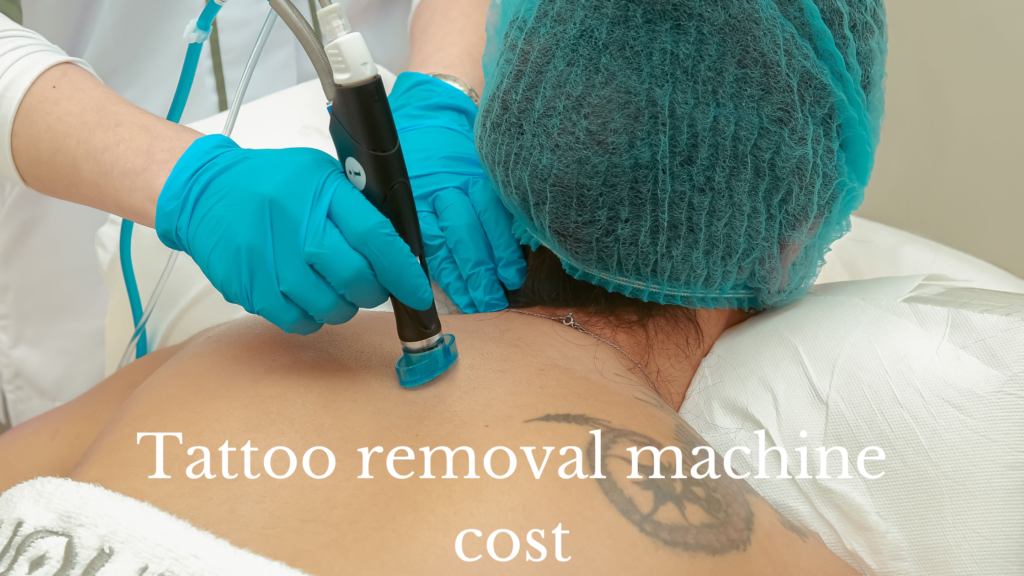
The tattoo removal machine cost depends on the technology, specifications, brand, and services included with the equipment. If you are comparing how much a tattoo removal machine costs, it helps to look beyond the advertised purchase price.
An entry-level tattoo removal machine may offer basic features at a lower price and can suit businesses with limited treatment needs. A professional laser tattoo removal machine generally costs more because it may provide higher energy, better durability, advanced cooling, and greater treatment flexibility.
A multi-wavelength tattoo removal machine can have a higher price because it supports different wavelengths for a wider range of tattoo pigments. A professional picosecond laser tattoo removal machine may cost even more because of its advanced pulse technology and components.
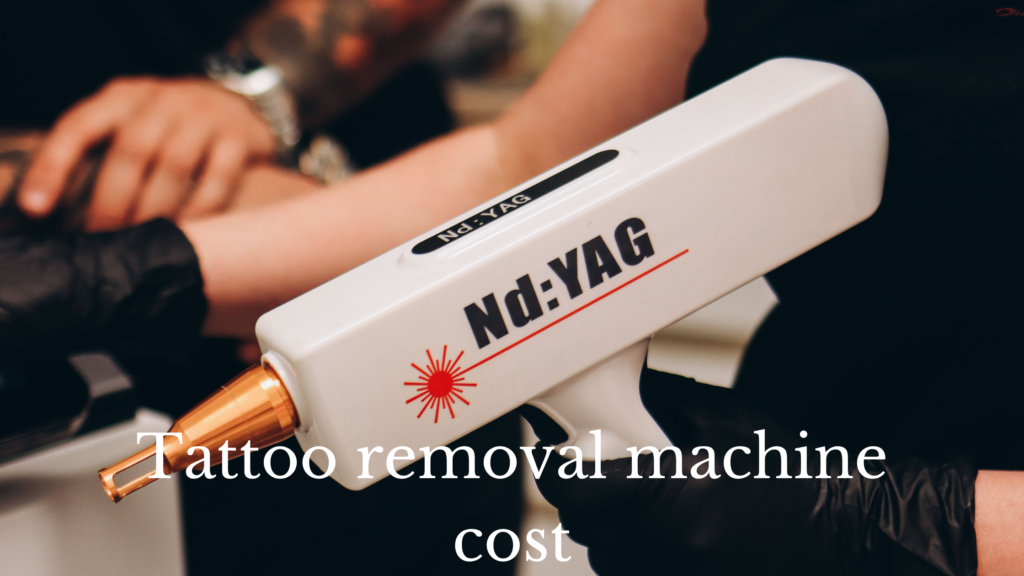
Used or refurbished equipment can reduce the tattoo removal laser machine price, but buyers should check its age, service history, warranty, and replacement-part availability.
When comparing the cost of a professional tattoo removal machine, also consider shipping, installation, training, maintenance, spare parts, and technical support. These expenses contribute to the total cost of owning a tattoo removal machine.
So, the cheapest laser tattoo removal machine is not always the best value. Compare specifications, support, warranty, and long-term operating costs before buying.
Tattoo Removal Machine Cost: How Much Should You Expect to Pay?
The tattoo removal machine cost can vary widely depending on the laser technology, machine specifications, brand, and level of support included. If you are researching how much a tattoo removal machine costs, you may find entry-level, professional, and advanced systems at very different price points. A professional laser tattoo removal machine or picosecond laser tattoo removal machine generally costs more than a basic system because of its technology, performance, wavelengths, cooling, and components.
Prices also vary because manufacturers may offer different configurations. For example, a multi-wavelength tattoo removal machine can cost more than a single-wavelength model. Warranty, training, installation, shipping, and after-sales service can also affect the laser tattoo removal equipment cost.
This guide is designed for clinic owners, aesthetic professionals, tattoo removal businesses, and buyers comparing professional tattoo removal machine prices.
You will learn what affects the cost of a laser tattoo removal machine, which specifications matter, how picosecond and Q-switched systems differ, what additional ownership costs to consider, and how to compare machines based on long-term value rather than simply choosing the cheapest tattoo removal laser machine price.
How Much Does a Tattoo Removal Machine Cost?
The cost of a tattoo removal machine depends on several factors, including laser technology, power, wavelengths, pulse duration, spot size, cooling system, brand, and included support. A basic system may have a lower upfront price, while a professional laser tattoo removal machine with advanced features can require a much larger investment.
Typical Pricing Factors
When comparing tattoo removal machine prices, look at more than the machine itself. Technology, laser source quality, multiple treatment wavelengths, cooling, warranty, training, installation, shipping, and after-sales support can all affect the final laser tattoo removal equipment cost.
Entry-Level vs Professional Systems
An entry-level tattoo removal machine may suit businesses with lower treatment volumes and simpler requirements. Professional systems are generally designed for heavier workloads and may provide better durability, treatment flexibility, technical support, and component quality.
Picosecond vs Q-Switched Systems
A picosecond laser tattoo removal machine uses extremely short pulses and is often positioned as a more advanced option than traditional Q-switched systems. However, a higher purchase price does not automatically mean better value. The right choice depends on treatment requirements, specifications, workload, and budget.
New vs Used or Refurbished Equipment
A used or refurbished tattoo removal laser machine can reduce the initial investment. However, check the machine’s age, service history, laser source, warranty, replacement-part availability, and condition before purchasing.
Why Advertised Prices Can Be Misleading
Some advertised tattoo removal machine costs show only the base equipment price. Shipping, accessories, training, installation, taxes, and warranty coverage may be separate.
What Does “Contact Us for Price” Mean?
Manufacturers may use “contact us for price” because machines can be configured differently. Request a detailed quotation showing the exact model, wavelengths, accessories, warranty, shipping, training, and total delivered cost. This makes it easier to compare professional tattoo removal machine prices fairly.
Tattoo Removal Machine Prices at a Glance
Tattoo removal machine prices can vary widely depending on the technology, specifications, brand, and included services. An entry-level system may have a lower purchase price, while a professional picosecond laser can cost significantly more because it may offer higher performance, multiple wavelengths, advanced cooling, and stronger components.
| Machine Category | Typical Positioning | Best Suited For | Main Cost Drivers |
| Entry-level | Lower-cost option | Small businesses or limited use | Basic features and fewer treatment options |
| Professional | Mid-to-high range | Clinics and aesthetic practices | Performance, durability, support |
| Multi-wavelength | Higher investment | Businesses treating varied pigments | Multiple wavelengths and treatment flexibility |
| Premium picosecond | Premium | High-volume professional use | Advanced laser technology and components |
| Used/refurbished | Lower upfront cost | Buyers with tighter budgets | Age, condition, service history, and warranty |
The purchase price is only part of the investment. Shipping, installation, training, maintenance, spare parts, and warranty coverage can also affect your total cost.
For this reason, compare machines based on total value and ownership cost, not simply the lowest advertised price.
Tattoo Removal Machine Prices at a Glance
The tattoo removal machine cost can vary significantly depending on the machine type, laser technology, specifications, and included services. An entry-level tattoo removal machine may have a lower price, while a professional laser tattoo removal machine or picosecond laser machine usually costs more because it can offer better performance, multiple wavelengths, advanced cooling, and stronger components.
| Machine Category | Typical Positioning | Best Suited For | Main Cost Drivers |
| Entry-level | Lower-cost | Small businesses | Basic features and fewer options |
| Professional | Mid-to-high range | Clinics and aesthetic practices | Performance, durability, and support |
| Multi-wavelength | Higher investment | Businesses treating different pigments | Multiple wavelengths and flexibility |
| Premium picosecond | Premium | High-volume professional use | Advanced technology and components |
| Used/refurbished | Lower upfront cost | Budget-conscious buyers | Age, condition, service history, and warranty |
When comparing tattoo removal machine prices, remember that the purchase price is not the complete investment. Shipping, installation, training, maintenance, spare parts, and warranty coverage can increase the laser tattoo removal equipment cost.
For this reason, compare the total cost of ownership, not just the lowest advertised tattoo removal machine price.
What Determines the Cost of a Tattoo Removal Machine?
The cost of a tattoo removal machine is influenced by much more than the brand or advertised price. Laser technology, pulse duration, energy output, wavelength options, cooling, components, and machine configuration can all change the final laser tattoo removal machine cost. Understanding these factors helps buyers compare equipment based on value rather than price alone.
Laser Technology
The type of laser is one of the biggest factors affecting the tattoo removal machine price.
Picosecond lasers use extremely short pulses and are commonly marketed for professional tattoo and pigmentation treatments. A professional picosecond laser tattoo removal machine may cost more because of its advanced pulse technology and supporting components.
Q-switched lasers use nanosecond pulses and remain a common option for tattoo and pigmentation applications. Their price can vary according to energy, wavelengths, cooling, and overall build quality.
Nd:YAG lasers are widely used in tattoo removal, particularly with 1064 nm and 532 nm wavelengths. A Q-switched Nd:YAG tattoo removal machine can offer different configurations depending on its specifications.
Nanosecond technology generally refers to lasers that deliver pulses measured in nanoseconds. When comparing a picosecond vs Q-switched tattoo removal machine, buyers should consider the actual specifications and intended workload rather than assuming that one technology is automatically the best choice.
Number of Wavelengths
Wavelength selection also affects the laser tattoo removal equipment cost. Different wavelengths interact with different pigments, so multi-wavelength machines can provide greater treatment flexibility.
- 1064 nm: Commonly used for darker tattoo pigments.
- 532 nm: Often used for red and other suitable superficial pigments.
- 755 nm: Available on some advanced systems for additional pigment applications.
- 1320 nm: Often included for selected skin-treatment applications rather than conventional tattoo removal alone.
A single-wavelength tattoo removal machine may cost less, while a multi-wavelength tattoo removal machine generally costs more because it provides broader treatment options. However, more wavelengths do not automatically mean better value. Choose the configuration that matches your expected treatments, workload, and business needs.
Pulse Duration and Energy
The pulse duration of a tattoo removal laser affects how energy is delivered to the target pigment. Pulse width is usually measured in nanoseconds or picoseconds. A picosecond laser tattoo removal machine uses extremely short pulses, while Q-switched systems typically operate in the nanosecond range.
Pulse energy indicates how much energy is delivered with each pulse. Repetition rate refers to how frequently the laser can fire. Fluence, usually expressed as energy per unit area, helps describe the amount of energy delivered to a specific treatment area. These specifications should be evaluated together rather than viewed separately when comparing professional tattoo removal machines.
Spot Size and Treatment Flexibility
Laser spot size affects how much skin can be treated with each pulse. Adjustable spot sizes can provide greater flexibility for different tattoo sizes and treatment areas. A tattoo removal machine with adjustable spot size may therefore be more useful for businesses treating a variety of clients.
Cooling System
A cooling system can help manage heat during treatment and improve operator and patient comfort. Depending on the machine, cooling may involve air, water, or other technologies. When comparing laser tattoo removal machine prices, check what type of cooling is included and whether additional maintenance is required.
Laser Source and Component Quality
The laser source and optical components can significantly influence machine performance, reliability, and long-term value. A low tattoo removal machine cost does not necessarily represent better value if critical components are difficult to replace or service.
Handpieces and Treatment Heads
Handpieces and treatment heads determine how the laser energy is delivered. Some professional picosecond laser machines include multiple heads or wavelength options. Before purchasing, confirm which handpieces are included in the quoted price and whether replacement parts are readily available.
Picosecond vs Q-Switched Tattoo Removal Machines
The main difference between these technologies is pulse duration. Picosecond systems deliver pulses measured in trillionths of a second, while Q-switched systems generally deliver pulses in the nanosecond range.
A picosecond laser tattoo removal machine may offer extremely short pulses and can be attractive to businesses seeking newer laser technology. Q-switched systems have a long history of use in tattoo and pigmentation treatments and may provide a more accessible entry point.
Advantages and Limitations
Picosecond systems can offer advanced pulse technology and broad treatment configurations, but they may have a higher purchase price. Q-switched systems can be more cost-effective, although capabilities vary significantly between models.
Price Differences
When comparing picosecond vs Q-switched tattoo removal machine cost, don’t compare technology alone. Consider wavelengths, energy, cooling, laser source, warranty, support, and included accessories.
Which Is Right for Different Businesses?
A Q-switched tattoo removal machine may suit a business prioritizing a lower initial investment and established technology. A professional picosecond laser tattoo removal machine may appeal to clinics seeking advanced capabilities and greater treatment flexibility. The best choice depends on workload, services offered, budget, and total cost of ownership.
How Wavelengths Affect Tattoo Removal and Machine Price
Wavelength is an important factor when comparing a tattoo removal machine cost. Different wavelengths target different colors and depths of pigment, so a machine with several wavelengths can provide greater treatment flexibility. However, more wavelengths can also increase the laser tattoo removal machine price.
1064 nm
A 1064 nm tattoo removal laser is commonly used for darker pigments, including black and some dark blue inks. It can penetrate relatively deeply, making it an important wavelength for professional tattoo removal equipment.
532 nm
A 532 nm tattoo removal laser is commonly associated with red, orange, and other suitable superficial pigments. A machine offering both 1064 nm and 532 nm tattoo removal can handle a broader range of tattoo colors than a single-wavelength system.
755 nm
A 755 nm laser tattoo removal machine may provide additional flexibility for certain pigment colors and aesthetic applications. Its usefulness depends on the specific machine configuration and intended treatments.
1320 nm
A 1320 nm laser is generally associated with selected skin-treatment applications rather than being a primary tattoo-removal wavelength. Some multi-function systems include it to expand the machine’s overall treatment capabilities.
Is a Multi-Wavelength Machine Worth the Extra Cost?
A multi-wavelength tattoo removal machine can cost more than a single-wavelength model, but the additional investment may be worthwhile for clinics that treat different tattoo colors or offer multiple aesthetic services. The best choice depends on your expected workload and services.
Professional vs Budget Tattoo Removal Machines
When comparing a budget vs professional tattoo removal machine, don’t focus only on the initial price. Consider performance, reliability, flexibility, and long-term ownership costs.
| Factor | Budget System | Professional System |
| Technology | Basic or standard configuration | Advanced or higher-specification technology |
| Energy/output | Often more limited | Generally broader operating range |
| Wavelengths | May offer fewer options | Often multiple wavelength options |
| Cooling | Basic or standard | More advanced cooling options may be available |
| Durability | Designed for lighter use | Typically built for higher workloads |
| Warranty/support | May be limited | Often includes stronger technical support |
| Treatment flexibility | More limited | Greater range of treatment configurations |
| Initial cost | Lower | Higher |
| Long-term value | Depends on workload | Often better suited to frequent professional use |
A professional laser tattoo removal machine can require a larger upfront investment, but the additional features may provide greater flexibility for businesses with regular treatment demand. Conversely, a lower-cost system may be appropriate when treatment volume and service requirements are limited.
What Specifications Should You Compare Before Buying?
When comparing a tattoo removal machine for sale, don’t choose based on price alone. The right professional tattoo removal machine should match your treatment needs, workload, budget, and long-term operating requirements. Checking the following specifications can help you compare different models more accurately.
Pulse Duration
Check the laser’s pulse width and whether it operates in picoseconds or nanoseconds. This is particularly important when comparing a picosecond laser tattoo removal machine with a Q-switched system.
Maximum Energy
Maximum pulse energy indicates the energy the machine can deliver. However, higher energy does not automatically mean better performance. Look at energy together with pulse duration, spot size, and treatment parameters.
Spot Size
A tattoo removal machine with adjustable spot size can provide greater flexibility for treating tattoos of different sizes and areas.
Frequency
Repetition rate indicates how quickly pulses can be delivered. A suitable frequency can improve workflow, particularly for businesses handling higher treatment volumes.
Wavelengths
Check which wavelengths are included. A 1064nm 532nm tattoo removal machine can provide more flexibility for different pigment colors than a single-wavelength system.
Cooling
A reliable cooling system can help manage heat during treatment. Ask what type of cooling is included and whether it requires regular maintenance.
Laser Source
The laser source is a major component affecting machine reliability and long-term value. Ask the manufacturer about its specifications, expected service life, and replacement availability.
Handpiece
Check which handpieces and treatment heads are included in the laser tattoo removal machine price. Also confirm whether replacement handpieces are available.
Interface
A clear touchscreen or control interface can make parameter selection easier. Look for straightforward controls and appropriate safety features.
Electrical Requirements
Before purchasing, confirm voltage, frequency, power requirements, plug type, and installation requirements for your location.
Warranty
Review the warranty carefully. Check its duration, covered components, exclusions, repair process, and whether technical support is included.
A thorough specification check can help you avoid comparing tattoo removal machine prices based on incomplete information and make a more informed purchasing decision.
The Hidden Costs of Buying a Tattoo Removal Machine
The advertised tattoo removal machine cost is not always the final amount you will pay. When calculating the total cost of a laser tattoo removal machine, you should also consider expenses that may appear after the initial purchase. Understanding these costs can help you create a more realistic budget.
Shipping
International shipping, freight, packaging, and delivery charges can increase the laser tattoo removal equipment cost, especially when purchasing from an overseas manufacturer.
Import Duties and Taxes
Depending on your location, customs duties, sales taxes, VAT, or other import charges may apply. Ask the seller whether these costs are included in the quotation.
Installation
Some professional systems may require setup or installation. Confirm whether installation is included or charged separately.
Training
Operator training can be an additional expense. A professional tattoo removal machine should be used by appropriately trained operators who understand the equipment and relevant safety procedures.
Maintenance
Regular servicing can add to the long-term tattoo removal machine operating cost. Ask about recommended service intervals and expected maintenance expenses before purchasing.
Spare Parts and Replacement Components
Handpieces, optical components, cooling components, and other parts may eventually require replacement. Check availability and pricing before committing to a machine.
Consumables
Some systems may require consumable items during operation. Include these expenses when calculating your cost per tattoo removal treatment.
Software and Service Costs
Certain machines may involve software updates, technical servicing, or other service-related expenses. Ask what is included with the purchase.
Downtime
A machine that is unavailable for repairs can affect appointment schedules and business revenue. Reliable technical support and access to replacement parts can help reduce downtime.
Insurance
Depending on your business and location, equipment or professional liability insurance may be required or advisable. Include these costs in your operating budget.
Facility Requirements
A commercial tattoo removal laser machine may require suitable electrical capacity, ventilation, space, safety equipment, and other facility preparations.
For this reason, don’t judge a tattoo removal laser machine price by the equipment’s purchase price alone. Calculate the total cost of ownership before making a final decision.
How Much Does It Cost to Operate a Tattoo Removal Machine?
The purchase price is only one part of the tattoo removal machine cost. Your ongoing operating expenses can have a significant effect on profitability, especially if the equipment is used frequently. Before buying a professional laser tattoo removal machine, estimate the cost of running it over several years rather than focusing only on the initial price.
Electricity
Electricity consumption depends on the machine’s power requirements, operating time, cooling system, and local electricity rates. A higher-powered system may use more electricity during regular operation.
Maintenance
Regular maintenance helps keep a laser tattoo removal machine operating reliably. Check the manufacturer’s recommended service schedule and ask about typical maintenance expenses before purchasing.
Cooling Requirements
How Much Does It Cost to Operate a Tattoo Removal Machine?
The cost to operate a tattoo removal machine includes more than electricity. Maintenance, cooling, replacement parts, technician support, training, and other expenses can affect your tattoo removal machine operating cost. Understanding these costs before buying helps you estimate the real cost of running a professional laser system.
Electricity
Electricity costs depend on the machine’s power requirements, treatment time, cooling system, and local energy rates. Ask the manufacturer for the machine’s electrical specifications so you can estimate its ongoing energy use.
Maintenance
Regular servicing can help maintain consistent performance and reduce unexpected repairs. When comparing the long-term cost of a tattoo removal machine, ask about recommended service intervals and typical maintenance requirements.
Cooling Requirements
Cooling systems may require electricity, water, filters, or other maintenance depending on the machine design. A professional tattoo removal laser with a cooling system may have additional operating and maintenance requirements.
Replacement Parts
Handpieces, optical components, cooling components, and other parts may eventually need replacement. Before purchasing, check the cost of replacement parts for a tattoo removal machine and whether the manufacturer keeps essential components available.
Technician and Service Costs
Professional servicing can add to the laser tattoo removal equipment operating cost. Ask whether remote technical support, routine servicing, troubleshooting, and repair labor are included with the warranty.
Training
Operator training is another potential expense. Proper training can help operators use the equipment correctly and follow applicable laser-safety procedures.
Consumables
Some machines may require consumable items during operation. Include these expenses when calculating the cost per tattoo removal treatment.
Cost Per Treatment
To estimate the operating cost of a tattoo removal machine per treatment, add electricity, consumables, maintenance, equipment depreciation, and other relevant expenses, then divide the total by the number of treatments performed.
For example:
Cost per treatment = Total operating expenses ÷ Number of treatments
This calculation gives you a more useful picture of the machine’s economics than looking only at the tattoo removal machine purchase price.
Manufacturer vs Reseller: Which Should You Buy From?
When comparing a tattoo removal machine for sale, choosing the right supplier can be just as important as choosing the laser itself. A lower tattoo removal machine price does not always mean better value. The supplier you choose can affect warranty support, spare parts, training, shipping, and your long-term laser tattoo removal equipment cost.
Direct Manufacturer Purchase
Buying directly from a manufacturer may provide access to technical specifications, customization options, and direct product support. It can be useful when purchasing a professional picosecond laser tattoo removal machine or ordering several units. However, confirm the manufacturer’s credentials, documentation, warranty terms, and after-sales service before paying.
Distributor or Reseller
An authorized distributor may offer local service, easier communication, installation, and faster access to support. The trade-off can be a higher laser tattoo removal machine cost because the distributor adds its own margin and services.
Local Support
Local technical support can reduce downtime when a machine requires troubleshooting or repair. Ask whether technicians and replacement parts are available in your region.
OEM/ODM
OEM tattoo removal machines are produced for businesses that want equipment under their own branding or specific configurations. ODM laser equipment can offer more customization, but buyers should verify manufacturing quality and compliance documentation.
Spare Parts
Before purchasing, ask about the availability and cost of replacement parts for a tattoo removal machine, including handpieces, optical components, and cooling components.
Warranty Claims
Read the warranty before buying. Confirm its duration, covered components, exclusions, shipping responsibility, and how international warranty claims are handled.
Technical Support
Ask whether technical support includes remote troubleshooting, operator guidance, software assistance, and repair support.
Shipping and Import Considerations
The quoted tattoo removal machine cost may exclude freight, customs duties, VAT, insurance, or local taxes. Request a complete quotation showing the total delivered cost of the laser tattoo removal machine.
Which Option Is Better?
There is no single best supplier for every buyer. Direct manufacturers may suit experienced buyers seeking customization or competitive pricing, while a reputable local distributor may be preferable when fast service and local support are priorities. Compare price, warranty, support, parts availability, certification, shipping, and total cost of ownership before making your decision.
Manufacturer vs Reseller: Which Should You Buy From?
When searching for a tattoo removal machine for sale, the supplier you choose can affect the purchase price, warranty, technical support, and long-term operating costs. Whether you need a professional tattoo removal machine, picosecond laser tattoo removal machine, or Q-switched system, compare the supplier as carefully as the equipment.
Direct Manufacturer Purchase
Buying directly from a manufacturer can offer competitive pricing, product customization, and direct access to technical information. It may be suitable for clinics, distributors, and businesses purchasing multiple machines. Before ordering, verify the manufacturer’s experience, product documentation, warranty, and after-sales service.
Distributor or Reseller
An authorized distributor or reseller may provide local installation, training, communication, and service. Although the laser tattoo removal machine price may be higher than a direct manufacturer quote, local support can make equipment ownership easier.
Local Support
For professional equipment, fast technical assistance can reduce downtime. Check whether the supplier has trained technicians, local service coverage, and access to replacement parts in your area.
OEM/ODM
OEM tattoo removal machines can be supplied under a buyer’s brand, while ODM laser equipment may allow greater product or configuration customization. Ask about minimum order quantities, customization costs, documentation, and quality control.
Spare Parts
Ask whether essential components, handpieces, optical parts, and cooling components are readily available. Also request the replacement parts cost for a tattoo removal machine before purchasing.
Warranty Claims
A good warranty should clearly explain coverage, duration, exclusions, repair procedures, and who pays shipping during a claim. International buyers should pay particular attention to these details.
Technical Support
Ask whether support includes installation guidance, troubleshooting, operator assistance, software support, and repair services.
Shipping and Import Considerations
Your quoted tattoo removal machine cost may not include freight, customs duties, VAT, insurance, or local taxes. Request a written quotation showing the total delivered cost of the laser tattoo removal machine.
Which Supplier Should You Choose?
For the best value, compare more than the advertised price. Consider equipment quality, certifications, warranty, local support, spare parts, technical service, shipping, and total cost of ownership. The cheapest supplier is not necessarily the most cost-effective choice for a professional tattoo removal business.
Questions to Ask a Tattoo Removal Machine Manufacturer Before Buying
Before purchasing a professional tattoo removal machine, ask the manufacturer specific questions about technology, support, warranty, and ownership costs. This can help you compare the tattoo removal machine price accurately and avoid unexpected expenses.
What laser source is used?
Ask which laser source the machine uses and request its specifications, manufacturer, expected service life, and replacement options. Laser-source quality can affect reliability and the long-term cost of a tattoo removal machine.
What wavelengths are available?
Confirm whether the system includes 1064 nm, 532 nm, 755 nm, 1320 nm, or other wavelengths. If you need a multi-wavelength tattoo removal machine, verify exactly which wavelengths are included in the quoted price.
What is the warranty?
Ask how long the warranty lasts and whether coverage applies internationally. A longer warranty may provide greater protection for a significant laser tattoo removal equipment investment.
What does the warranty cover?
Confirm whether the warranty covers the laser source, handpiece, power supply, cooling system, and other major components. Also ask about exclusions and repair procedures.
Are spare parts available?
Ask whether replacement handpieces, optical components, cooling parts, and other essential components are available. Also request approximate tattoo removal machine replacement part costs.
Who provides technical support?
Find out whether support is provided directly by the manufacturer, an authorized distributor, or a third-party technician. Ask about response times and remote troubleshooting.
Is training included?
Confirm whether operator training, installation guidance, user documentation, and laser-safety information are included with your picosecond laser tattoo removal machine.
What certifications does the specific model have?
Request documentation for the exact model you intend to purchase. Do not rely only on general company-level certification claims.
What is the expected service life?
Ask about expected operating life, recommended maintenance intervals, and major components that may eventually require replacement.
What are the shipping terms?
Confirm whether the quoted tattoo removal machine cost includes shipping, insurance, customs duties, taxes, installation, and other delivery charges. Request the complete landed cost of the laser tattoo removal machine in writing before placing an order.
Common Mistakes When Buying a Tattoo Removal Machine
Buying a professional tattoo removal machine is a significant investment, so the lowest tattoo removal machine price should not be your only consideration. Comparing technology, support, specifications, and long-term costs can help you make a more informed decision.
Choosing Solely on Price
A cheap laser tattoo removal machine may look attractive, but a low purchase price can sometimes mean fewer features, limited support, or higher maintenance costs. Compare total cost of ownership instead.
Buying Unnecessary Specifications
More wavelengths, higher energy, or additional features do not automatically mean better value. Choose specifications that match your actual treatment requirements.
Ignoring After-Sales Service
Technical support, maintenance, training, and troubleshooting can be important after purchase. Ask what support the manufacturer or distributor provides.
Failing to Verify Certifications
Do not rely on vague certification claims. Ask for documentation relating to the exact tattoo removal laser machine model you intend to purchase and verify that it is relevant to your market.
Underestimating Maintenance
Include servicing, cooling-system maintenance, replacement components, and technician costs when calculating the long-term tattoo removal machine cost.
Ignoring Replacement-Part Availability
Before buying, check whether handpieces, optical components, cooling parts, and other essential components are available and reasonably priced.
Comparing Different Specifications
Do not compare two machines simply because both are advertised as picosecond laser tattoo removal machines. Compare pulse duration, energy, spot size, wavelengths, frequency, cooling, laser source, warranty, and included accessories on an equal basis.
Buying Without Operator Training
Proper training can help operators understand machine settings, safety procedures, and manufacturer instructions. Confirm whether training is included with the equipment.
How to Compare Two Tattoo Removal Machines
A simple comparison framework can help you look beyond the advertised laser tattoo removal machine cost. Score each machine across the following areas:
| Comparison Factor | What to Check |
| Technology | Picosecond, Q-switched, or other laser technology |
| Wavelengths | 1064 nm, 532 nm, 755 nm, 1320 nm, or other options |
| Pulse | Pulse duration, energy, and repetition rate |
| Spot size | Fixed or adjustable |
| Cooling | Type, performance, and maintenance |
| Laser source | Manufacturer, quality, and serviceability |
| Handpieces | Included heads and replacement availability |
| Warranty | Duration, coverage, and claim process |
| Training | Included training and technical guidance |
| Support | Response time and local service |
| Parts | Availability and replacement costs |
| Total cost | Purchase, shipping, taxes, maintenance, and operation |
The best tattoo removal machine is not necessarily the cheapest or the most expensive. Choose the system that provides the right combination of performance, treatment flexibility, reliability, support, and total cost of ownership for your business.
Is a More Expensive Tattoo Removal Machine Worth It?
A higher tattoo removal machine cost does not automatically mean better results or better value. Whether a premium laser tattoo removal machine is worth the investment depends on your treatment volume, required features, available budget, and long-term business goals.
When Premium Equipment Can Make Sense
A professional picosecond laser tattoo removal machine may make sense for clinics with a high treatment volume or businesses that need greater treatment flexibility. Advanced systems may offer multiple wavelengths, adjustable spot sizes, sophisticated cooling, higher operating flexibility, and stronger manufacturer support. However, always evaluate the actual specifications rather than paying more simply for a premium label.
When a Lower-Cost System May Be Sufficient
A lower-priced tattoo removal laser machine can be suitable for a smaller clinic, startup, or business with limited treatment demand. If you mainly need specific wavelengths and standard features, paying for capabilities you rarely use may not provide a good return on investment.
Total Ownership vs. Purchase Price
The laser tattoo removal equipment cost goes beyond the initial purchase. Consider shipping, import taxes, installation, training, electricity, maintenance, replacement parts, warranty, and technical support. A more expensive machine with reliable support and lower maintenance needs could potentially provide better long-term value than a cheaper machine with frequent service requirements.
Business Volume Considerations
Your expected treatment volume should influence your decision. A high-volume clinic may benefit from investing in a durable professional tattoo removal machine, while a low-volume business may prefer a more affordable system.
Bottom line: Don’t ask only, “How much does a tattoo removal machine cost?” Ask, “Which machine offers the best value for my expected workload and total cost of ownership?”
Frequently Asked Questions
How much does a tattoo removal machine cost?
The tattoo removal machine cost varies by technology, specifications, wavelengths, brand, warranty, and support. Entry-level systems generally cost less than advanced professional or multi-wavelength machines. Shipping, taxes, installation, and training can also affect the final laser tattoo removal equipment cost.
How much does a professional tattoo removal laser cost?
A professional tattoo removal laser can have a significantly higher price than a basic system because it may include advanced technology, multiple wavelengths, stronger components, improved cooling, and better support. Always compare the complete quotation rather than the advertised machine price.
Is a picosecond laser more expensive than a Q-switched laser?
A picosecond laser tattoo removal machine can cost more than a Q-switched system, but pricing depends on the exact configuration. Compare pulse duration, energy, wavelengths, cooling, laser source, warranty, and included accessories before deciding.
What is the cheapest tattoo removal machine?
There is no single cheapest model that is suitable for every buyer. A low-cost tattoo removal laser machine may have fewer wavelengths, simpler cooling, or limited support. Focus on the specifications you actually need rather than choosing solely by price.
Are cheap tattoo removal machines worth buying?
A cheap tattoo removal machine for sale may be worthwhile for some lower-volume businesses, provided the equipment has appropriate documentation, reliable components, warranty coverage, and technical support. A low purchase price is not useful if maintenance and downtime become expensive.
How much does a tattoo removal machine cost to maintain?
Maintenance costs depend on the machine, usage, cooling system, replacement parts, and service requirements. Ask the manufacturer about recommended servicing, common replacement components, and estimated tattoo removal machine maintenance costs before purchasing.
How long does a tattoo removal machine last?
Service life varies according to machine quality, usage, maintenance, and component durability. Instead of relying on a general lifespan claim, ask the manufacturer about expected operating life, maintenance intervals, and replacement-part availability.
What wavelengths should a tattoo removal machine have?
Common wavelengths include 1064 nm and 532 nm, while some advanced systems also offer 755 nm or 1320 nm. The right configuration depends on the pigments and treatments your business expects to handle.
What should I check before buying one?
Check the laser source, pulse duration, energy, wavelengths, spot size, cooling system, handpieces, warranty, certifications, training, technical support, spare parts, shipping terms, and total ownership cost.
Final Buying Checklist
Before purchasing a professional tattoo removal machine, confirm:
- Exact model and laser technology
- Available wavelengths
- Pulse duration and energy specifications
- Adjustable spot-size range
- Cooling system
- Laser source and component quality
- Included handpieces and accessories
- Warranty terms and coverage
- Certification documentation for the specific model
- Operator training and safety guidance
- Technical and after-sales support
- Spare-part availability and pricing
- Shipping, taxes, and import costs
- Installation requirements
- Maintenance requirements
- Estimated operating costs
- Total delivered purchase price
- Expected workload and business volume
The best laser tattoo removal machine is not necessarily the cheapest option. Compare performance, reliability, support, and total cost of ownership to find the equipment that fits your business needs.
One thought on “Tattoo Removal Machine cost at a Glance 2026”